Pages

.

Showing posts with label food. Show all posts

A Remarkable New Technology That Will Diminish A Global Cancer Threat

Maize/Corn


We in the rich societies of the world don’t hear a lot about aflatoxin. It is probably one of the single largest causes of cancer in the developing world – particularly in Africa. Around a half a billion people are at risk from this toxin in their diet. At high doses it can cause acute poisoning and death. It also causes cognitive stunting in children exposed to it. Aflatoxin is a natural chemical that is made by a fungus called Aspergillus that can infect crops like corn, peanuts and tree nuts particularly when there is damage by insects and/or stress from drought. People like Americans are well protected from this threat by farmers who exercise control measures for the insects and disease, by an advanced food system that monitors for the issue in the harvested crops, uses proper storage conditions, and excludes it from what is sold to us. For instance the EU standard for maize is that it must have less than five parts per billion of aflatoxin.  Unfortunately only 20% of the normal maize supply in Kenya meets that standard.


For high value crops like almonds and peanuts, there are not only concerted efforts to prevent this sort of contamination, there are also mechanisms to literally check each individual nut for the presence of the fungus and reject those that are suspect. That kind of detailed scrutiny has never been feasible for a lower value crop like corn (or Maize). But recently, a Swiss, family-owned grain handling equipment company called Bühler has cooperated with Microsoft to develop a system which can process corn at a rate of 15 metric tons per hour and reject any of the kernels that are contaminated with the nasty chemical aflatoxin. That is both amazing and very cool.

The sorting machine in high speed process

This remarkable system relies on very high speed imaging technology using LED lights to look for the florescence that suggests the presence of the fungus. It is applied to every single corn kernel even at that high rate of grain flow. The system uses Microsoft technology to pass all relevant data to the Azure cloud, where visualization of the data, tracking, and reporting are possible in real time. Bühler can also tap into Azure’s massive cloud infrastructure, available in 140 countries, to scale the solution globally.  A puff of air is used to knock the suspect grain out of the main flow and can achieve a 90% or better degree of contamination reduction with something like a 5% level of grain rejection.

In the Buhler applications lab


This technology will have immediate applications in the feed grain industry in the developed world because instead of rejecting entire loads that have some contaminated grain, it will be possible to protect the animals that eat the grain while still using as much of the yield as possible – a food waste reduction success. Also, since aflatoxin can come through to milk, dairy product consumers will also get an even higher level of protection.
Moving this sort of technology into key areas like Africa will require some creative public/private partnership approaches particularly in areas where there are not really any sort of commercial grain handling systems at, say, a village level. The grain equipment company behind this, Bühler has been doing business in Africa for 100 years and runs a milling school in Nairobi, so they are positioned to find creative solutions to the implementation of this advance.

As revolutionary as this technology promises to be, it is a good thing that it isn’t the sole solution. One way to reduce the infection/contamination issue is to intentionally spread a strain of the culprit fungus that does not happen to make aflatoxin. It’s a biological control strategy that was first developed by USDA researchers and commercialized in the U.S., but which has since been re-developed in Africa. Insect resistant, “GMO” maize also significantly reduces the incidence of the problematic infections. There is also a “gene silencing” strategy proven by an Arizona State researchers that would prevent the fungus from making its toxin even if it was able to infect the plant.

There has also been a very creative, to design an enzyme that breaks down aflatoxin into harmless bits that was actually facilitated by an on-line, crowdsourced game effort led by a researcher at UC Davis with support from Mars, Inc. Such an enzyme might be able to turn the rejected, contaminated grain from this new sorting mechanism into more food/feed or feedstock for bio-based materials. The most robust and resilient anti-cancer strategy would be to combine all of these methods and finish off with the high speed sorting technology.
So there is new hope for the mental development status of African children and for a lower incidence of cancer there and elsewhere. I guess I just have to say that technology can achieve some really cool results and I hope that non-profits and governmental entities will join Bühler in extending this to the poorest and most vulnerable populations.

You can comment here and/or write me at savage.sd@gmail.com 

reade more... Résuméabuiyad

Nature: The Original Chemist

(This post originally appeared on the PPIP Blog)
We frequently see a contrast drawn between what is “natural” and what is “chemical.” Sometimes products are described as “chemical-free” even though every physical object is made of chemicals. As much as this suggests a problem with our science education, it speaks to a missed opportunity for wonder. Nature is not some sort of cosmic mother figure; on the contrary, nature is composed of diverse biological and physical processes, including some pretty amazing examples of chemistry continually taking place. If we indulge the human personification of nature and it’s “children” a bit, we could say the following about these “chemists:”
  • They are extremely creative.
  • They can make really complex molecules.
  • Some of their chemicals last a really long time – which is sometimes good and sometimes bad.
  • They are really good at making polymers.
  • They make some extremely toxic things.
I’ll give a few examples below.


Creative Natural Chemistry

The diversity of naturally occurring chemicals is staggering. Humans regularly take advantage of this, particularly when we need ideas for things like pharmaceuticals or crop protection products. Sometimes we extract the chemicals from a plant or other living thing. Often we grow tanks of microbes to harness their ability to make a chemical we find useful. In cases where the amounts of the chemical are too small to be practical from the natural source, human chemists can synthesize the same compound to fulfill the quantity needed. An example of this is a new potato sprout inhibitor. In many other instances, a natural chemical serves as the inspiration for human chemists to experiment with similar structures leading to the discovery of particularly useful drugs, fungicides, etc.
nature-ideas
Taxol structure image by Calvero. Pacific Yew tree image by Jason Hollinger via creative commons. Azoxystrobin fungicide structure by Yikrazuul.   Strobilurus tenacellus mushroom picture by Tatiana Bulyonkova at Mushroom Observer.


Complex Natural Chemistry


Some of the most abundant chemicals in nature are simple. Nearly 80% of the air we breathe is nitrogen in the form, N– just two nitrogen atoms bonded together. Nitrogen goes through natural cycles that are important to all living things but often stays in relatively uncomplicated forms like ammonia (NH3) or nitrate (NO3). On the other hand, natural chemicals can be complex, so much so that it would be challenging for even a skilled human chemist to make them.
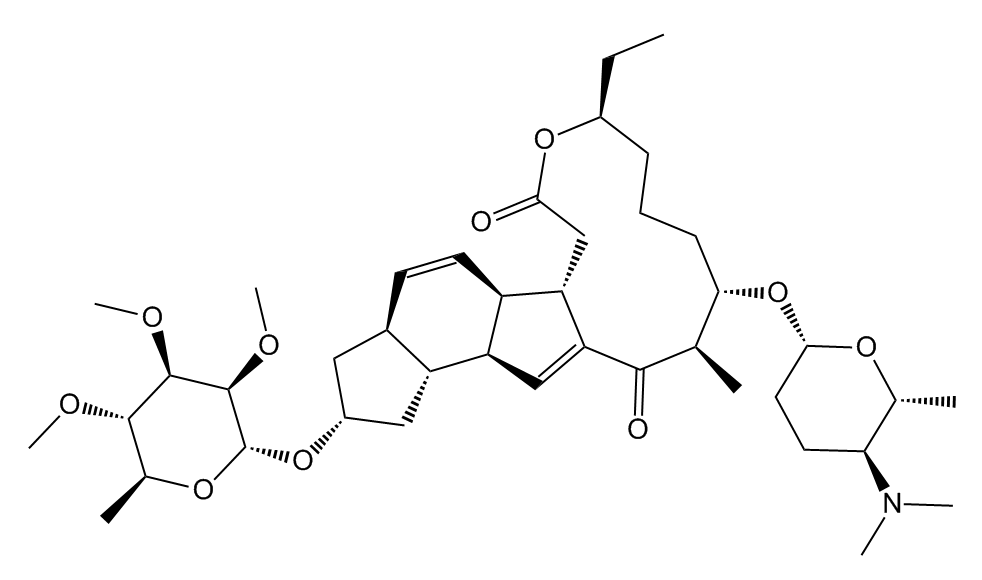
One of these complex examples is called spinosad and it is produced by a microbe called an actinomycete. We have found this to be a particularly effective insecticide for use on crops yet quite benign for the environment and not toxic to people. The chemical company that produces this for farmers relies on the natural microbe to produce this complicated bit of chemistry.
spinosad
Structure of Spinosyn image by Capaccio via creative commons.


Long-Lived Natural Chemicals


Most naturally occurring chemicals are part of a cycle in which chemicals combine, making a material, but then eventually break back down into basic constituents to begin the cycle again. Some naturally produced chemicals are relatively long-lived. This can be a good thing in the case of the chemicals that are found in the organic matter of a healthy, undisturbed soil. These are not just any plant or microbial product; they are specific compounds that slowly cascade through a series of breakdown products.

For instance, plants make a group of complex, phenolic chemicals, called lignin, which are important for strengthening their cell walls. Lignin is quite resistant to microbial breakdown, although some fungi can and do destroy it, even as they decompose wood. Lignin is a major component of what is termed humus – the component of soil that helps to buffer nutrients and retain moisture. When soils are converted from wild land to cultivation, there is a dramatic increase in the rate of breakdown of these chemicals and thus the release of the carbon dioxide.

Some long-lived, natural chemicals, however, are less desirable. Under low oxygen conditions, soil-dwelling microbes can interconvert forms of nitrogen (e.g. ammonia to nitrate or nitrate to nitrogen gas). In that process, they “accidentally” make some nitrous oxide (N2O). Nitrous oxide is around 300 times more potent than carbon dioxide as a greenhouse gas because it lasts longer in the atmosphere. Unfortunately, human activity can exacerbate the production of this naturally generated chemical from farmed soils. Adjustments in farming practices can lead to a better balance of the production of natural chemicals that help or hurt greenhouse gas levels.


Fancy Polymeric Natural Chemicals


In the 1967 movie The Graduate, the character played by Dustin Hoffman is lectured about how the future is going to be all about plastics. Indeed, many people were excited in that era about polymers that chemists were developing, like nylon and polyester. These are based on long chains of monomers attached end to end.

Many of the most abundant natural chemicals on earth are also polymers, which are long chains made of simple sugar molecules. Depending on which sugar and how the sugars are linked together, the polymers result in anything from the cellulose that makes cotton fiber to wood or even the alginate from seaweed we use for thickening foods or the starch that is the primary energy source in foods like pasta, bread, rice or potatoes. Increasingly, we are tapping in to the enzymatic tools found in microbes in order to make polymers from renewable resources.

Variously Toxic Chemistries


Most people associate the term natural with the terms safe and wholesome. This impression has been created by decades of marketing, not by any understanding of the chemicals in nature. Many natural chemicals are perfectly benign; however, nature’s assortment of chemicals also includes many that are toxic by various mechanisms.  Lots of plants make chemicals to protect themselves from being eaten or otherwise bothered. We have all heard about nasty plants like poison ivy or even lovely plants like the Colorado Columbine which are dangerous to eat.
nature-toxic
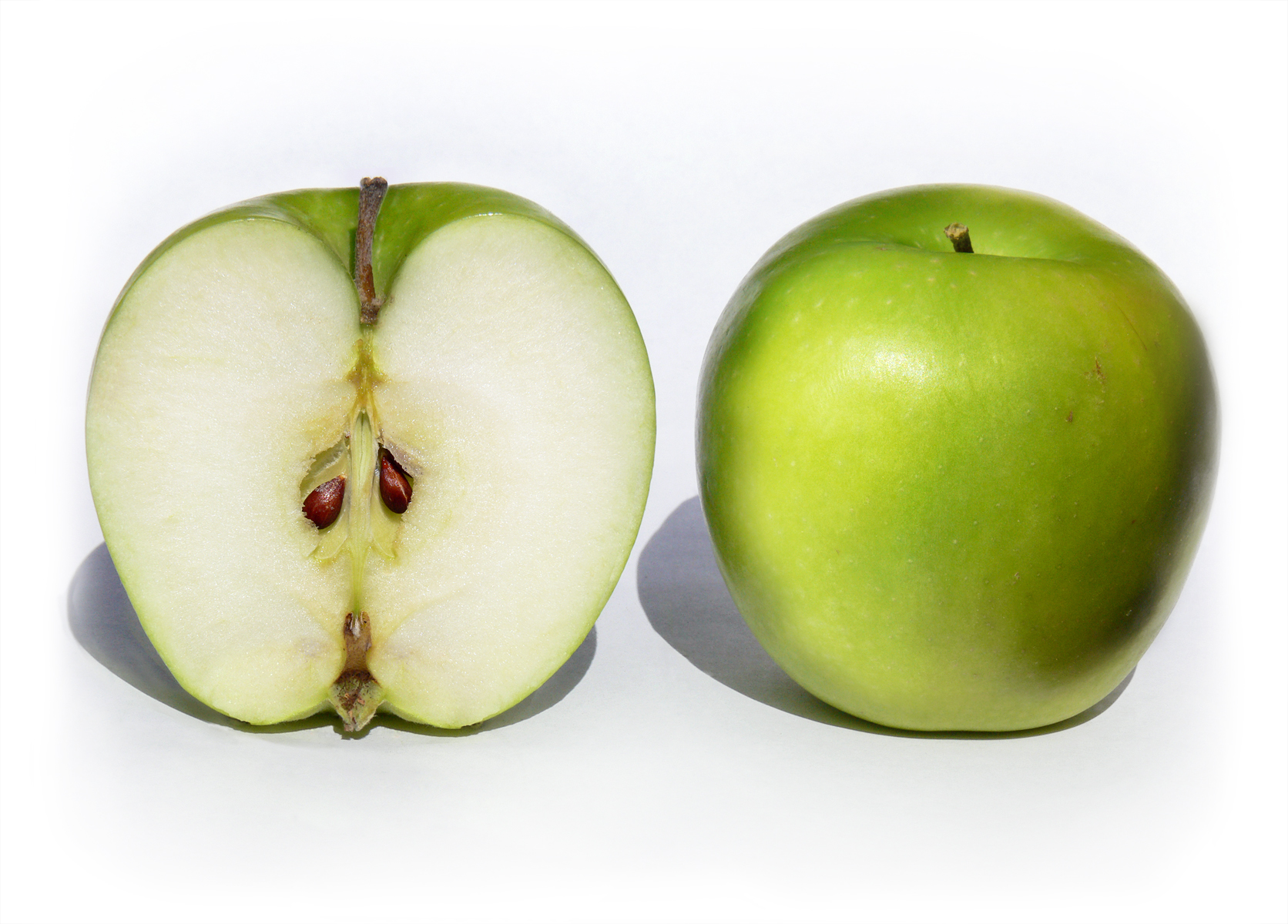
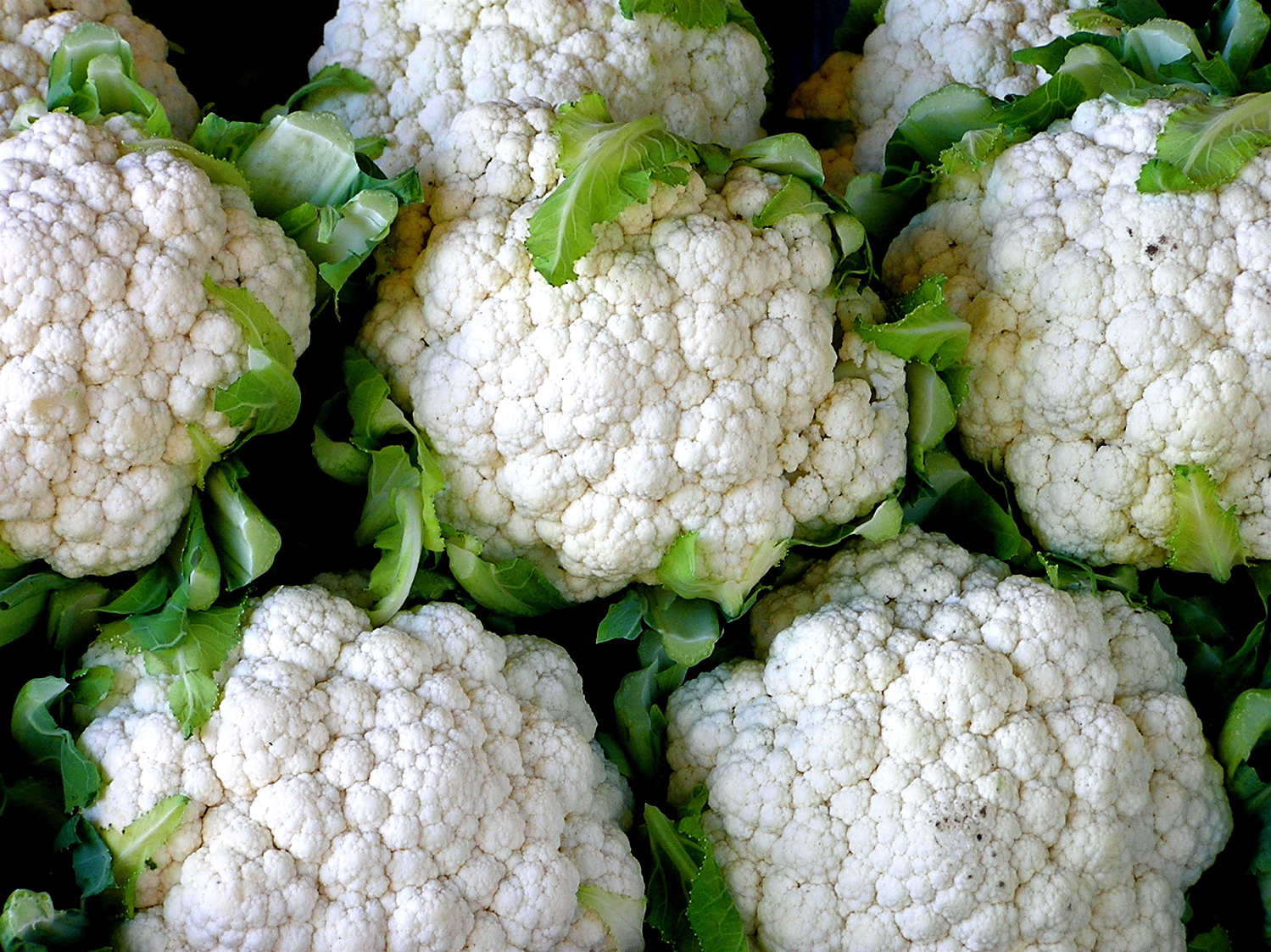
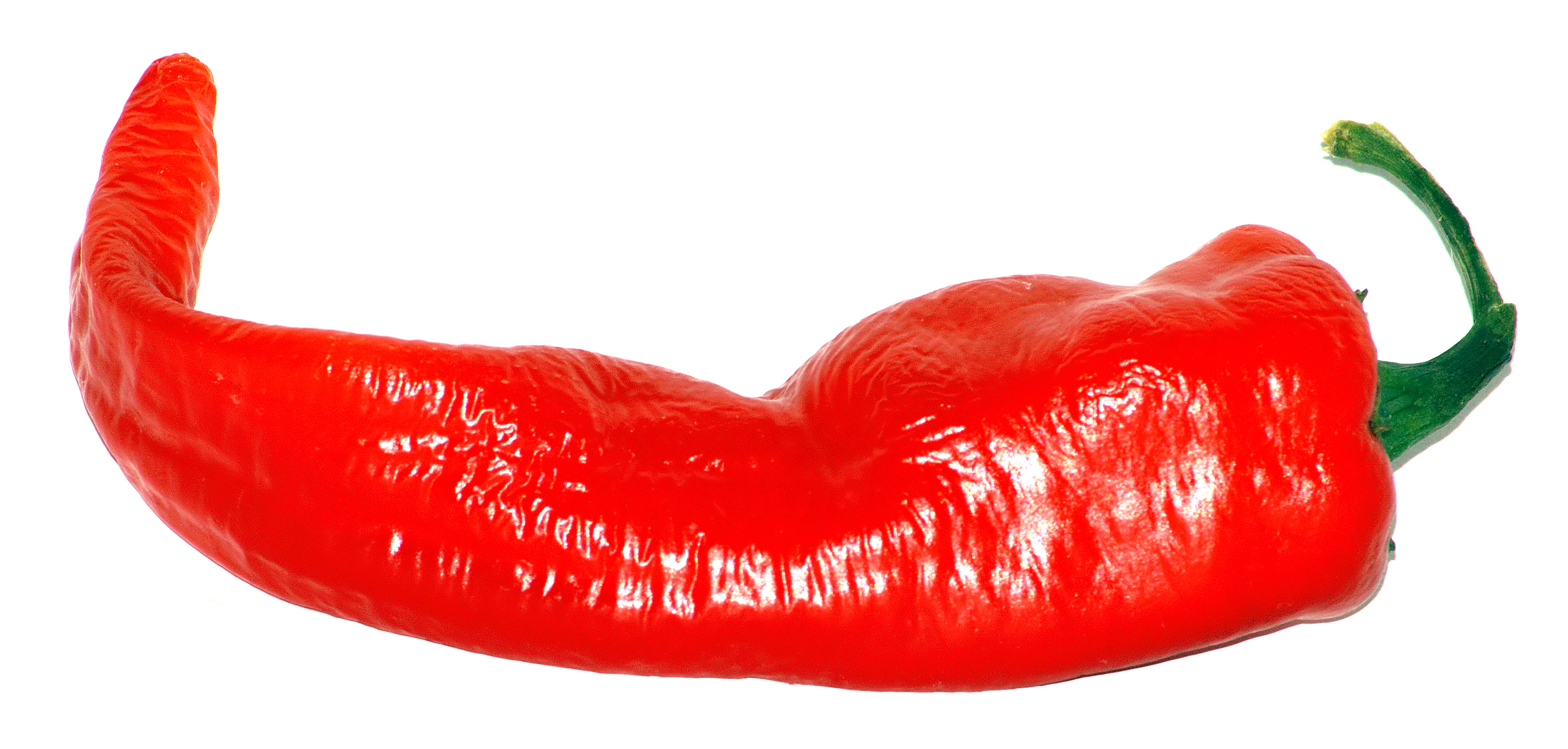
Cut Granny Smith apple image from Wikimedia. Cauliflower image from Calliope via creative commons. Hot pepper image by Andre Karwath via creative commons. Capsaicin structure by Jurgen Martens. Nicotine structure by NEUROtikerCyanide structure via Wikimedia.
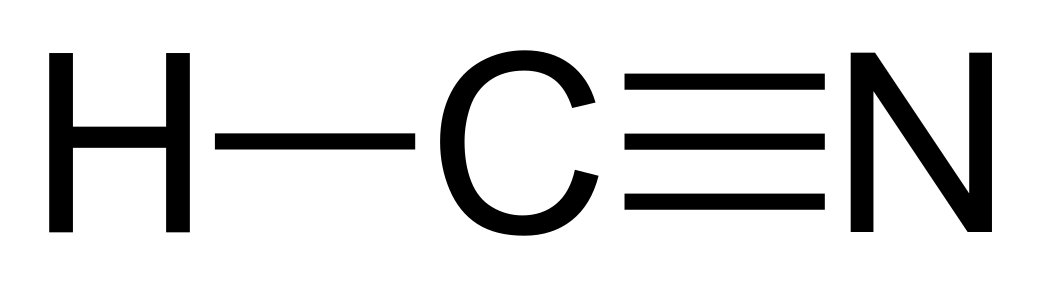
Food plants also make some fairly toxic chemicals. The seeds of many familiar crops, including apples, cherries and peaches to name a few, contain a chemical storage component called a cyanogenic glycoside. When the seed is damaged, enzymes release hydrogen cyanide from the glycoside. Hydrogen cyanide is very toxic! It is a good reason not to eat those seeds, although it would take a lot of such seeds to hurt a person. The capsaicin that we enjoy in hot sauce is an insect protection chemical made by the pepper plant to defend itself. It is moderately toxic to us but not at the doses we normally consume. Quite a few plants make nicotine to ward off insects including tomatoes, cauliflower and eggplant. Nicotine is very toxic but not at the doses these crops produce. As with any toxic chemical, natural toxins are only an issue to humans at a certain dose.

Some natural chemicals, however, are extremely dangerous and we don’t want those in our food. Mycotoxins are a particularly nasty category of natural chemicals produced by certain fungi. One such chemical, called aflatoxin, is among the more toxic chemicals in existence and is also a potent carcinogen. Unfortunately, under certain circumstances, fungi can produce aflatoxin in food crops. In the developed world, a system of controls and testing keeps us well protected from this; in the developing world, though, aflatoxin is a major cause of death both through acute and chronic effects because it contaminates staple foods like corn or groundnuts.

nature-aflatoxin
Aspergillus infected groundnut image from International Institute of Tropical AgricultureAflatoxin structure by Ju

Some natural chemicals are elegantly selective in their toxicity. A soil bacterium, called Bacillus thuringiensis (usually called “Bt”), makes proteins that are specific in their toxicity to only certain categories of insects. One strain of Bt makes proteins that only effect beetles while another’s toxin only affects caterpillars. None of these Bt proteins are toxic to humans or almost anything else. We have made excellent use of these natural chemical toxins as sprayable insect controls and by genetically engineering plants to make their own supplies of the protein resulting in the plant being insect resistant.

Conclusion


Yes, nature does a great deal of chemistry. For us, these chemicals can be a source of good things, a source of good ideas, and sometimes a hazard or problem.

you are welcome to comment here and/or to email me at savage.sd@gmail.com
reade more... Résuméabuiyad