Pages

.

Showing posts with label toxicity. Show all posts

Nature: The Original Chemist

(This post originally appeared on the PPIP Blog)
We frequently see a contrast drawn between what is “natural” and what is “chemical.” Sometimes products are described as “chemical-free” even though every physical object is made of chemicals. As much as this suggests a problem with our science education, it speaks to a missed opportunity for wonder. Nature is not some sort of cosmic mother figure; on the contrary, nature is composed of diverse biological and physical processes, including some pretty amazing examples of chemistry continually taking place. If we indulge the human personification of nature and it’s “children” a bit, we could say the following about these “chemists:”
  • They are extremely creative.
  • They can make really complex molecules.
  • Some of their chemicals last a really long time – which is sometimes good and sometimes bad.
  • They are really good at making polymers.
  • They make some extremely toxic things.
I’ll give a few examples below.


Creative Natural Chemistry

The diversity of naturally occurring chemicals is staggering. Humans regularly take advantage of this, particularly when we need ideas for things like pharmaceuticals or crop protection products. Sometimes we extract the chemicals from a plant or other living thing. Often we grow tanks of microbes to harness their ability to make a chemical we find useful. In cases where the amounts of the chemical are too small to be practical from the natural source, human chemists can synthesize the same compound to fulfill the quantity needed. An example of this is a new potato sprout inhibitor. In many other instances, a natural chemical serves as the inspiration for human chemists to experiment with similar structures leading to the discovery of particularly useful drugs, fungicides, etc.
nature-ideas
Taxol structure image by Calvero. Pacific Yew tree image by Jason Hollinger via creative commons. Azoxystrobin fungicide structure by Yikrazuul.   Strobilurus tenacellus mushroom picture by Tatiana Bulyonkova at Mushroom Observer.


Complex Natural Chemistry


Some of the most abundant chemicals in nature are simple. Nearly 80% of the air we breathe is nitrogen in the form, N– just two nitrogen atoms bonded together. Nitrogen goes through natural cycles that are important to all living things but often stays in relatively uncomplicated forms like ammonia (NH3) or nitrate (NO3). On the other hand, natural chemicals can be complex, so much so that it would be challenging for even a skilled human chemist to make them.
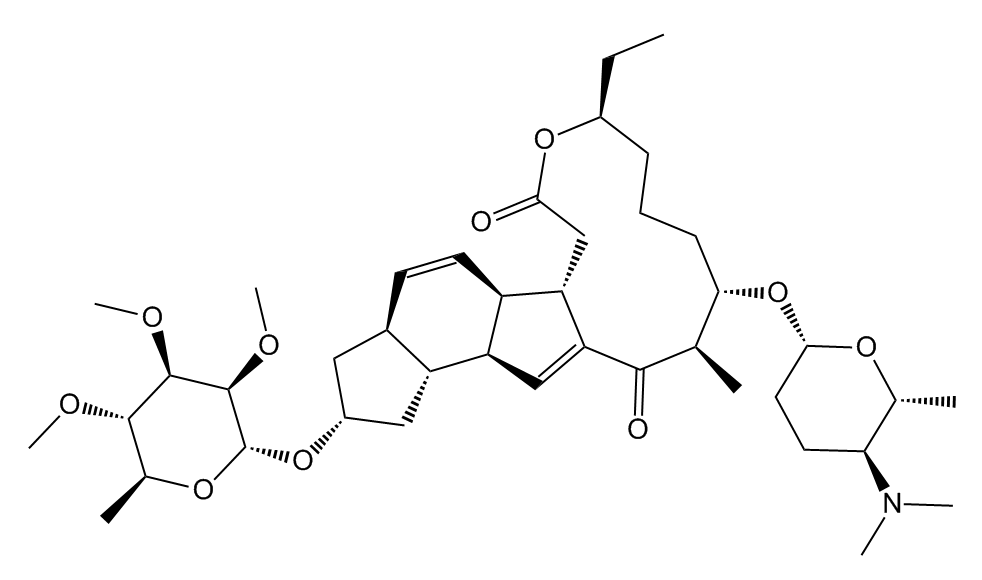
One of these complex examples is called spinosad and it is produced by a microbe called an actinomycete. We have found this to be a particularly effective insecticide for use on crops yet quite benign for the environment and not toxic to people. The chemical company that produces this for farmers relies on the natural microbe to produce this complicated bit of chemistry.
spinosad
Structure of Spinosyn image by Capaccio via creative commons.


Long-Lived Natural Chemicals


Most naturally occurring chemicals are part of a cycle in which chemicals combine, making a material, but then eventually break back down into basic constituents to begin the cycle again. Some naturally produced chemicals are relatively long-lived. This can be a good thing in the case of the chemicals that are found in the organic matter of a healthy, undisturbed soil. These are not just any plant or microbial product; they are specific compounds that slowly cascade through a series of breakdown products.

For instance, plants make a group of complex, phenolic chemicals, called lignin, which are important for strengthening their cell walls. Lignin is quite resistant to microbial breakdown, although some fungi can and do destroy it, even as they decompose wood. Lignin is a major component of what is termed humus – the component of soil that helps to buffer nutrients and retain moisture. When soils are converted from wild land to cultivation, there is a dramatic increase in the rate of breakdown of these chemicals and thus the release of the carbon dioxide.

Some long-lived, natural chemicals, however, are less desirable. Under low oxygen conditions, soil-dwelling microbes can interconvert forms of nitrogen (e.g. ammonia to nitrate or nitrate to nitrogen gas). In that process, they “accidentally” make some nitrous oxide (N2O). Nitrous oxide is around 300 times more potent than carbon dioxide as a greenhouse gas because it lasts longer in the atmosphere. Unfortunately, human activity can exacerbate the production of this naturally generated chemical from farmed soils. Adjustments in farming practices can lead to a better balance of the production of natural chemicals that help or hurt greenhouse gas levels.


Fancy Polymeric Natural Chemicals


In the 1967 movie The Graduate, the character played by Dustin Hoffman is lectured about how the future is going to be all about plastics. Indeed, many people were excited in that era about polymers that chemists were developing, like nylon and polyester. These are based on long chains of monomers attached end to end.

Many of the most abundant natural chemicals on earth are also polymers, which are long chains made of simple sugar molecules. Depending on which sugar and how the sugars are linked together, the polymers result in anything from the cellulose that makes cotton fiber to wood or even the alginate from seaweed we use for thickening foods or the starch that is the primary energy source in foods like pasta, bread, rice or potatoes. Increasingly, we are tapping in to the enzymatic tools found in microbes in order to make polymers from renewable resources.

Variously Toxic Chemistries


Most people associate the term natural with the terms safe and wholesome. This impression has been created by decades of marketing, not by any understanding of the chemicals in nature. Many natural chemicals are perfectly benign; however, nature’s assortment of chemicals also includes many that are toxic by various mechanisms.  Lots of plants make chemicals to protect themselves from being eaten or otherwise bothered. We have all heard about nasty plants like poison ivy or even lovely plants like the Colorado Columbine which are dangerous to eat.
nature-toxic
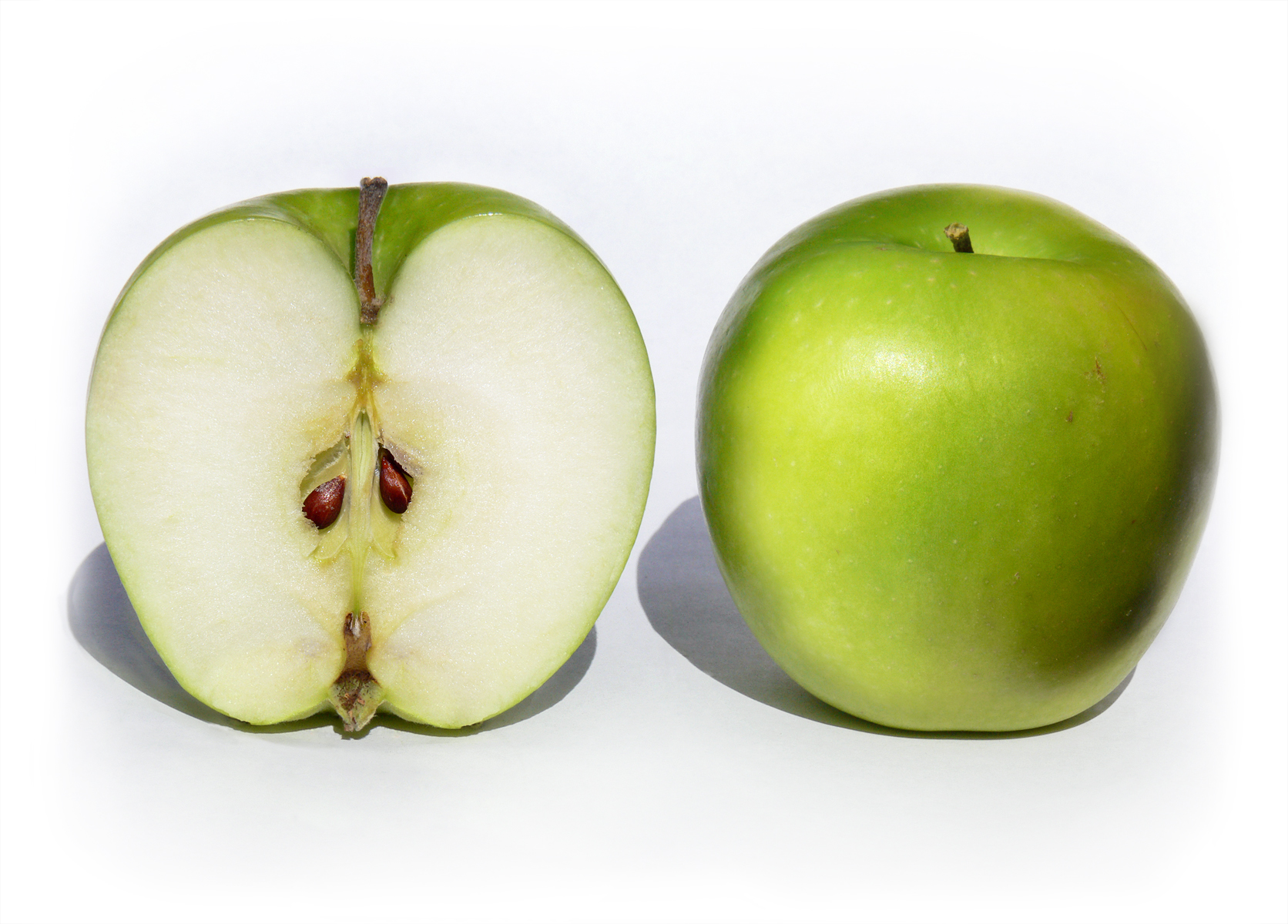
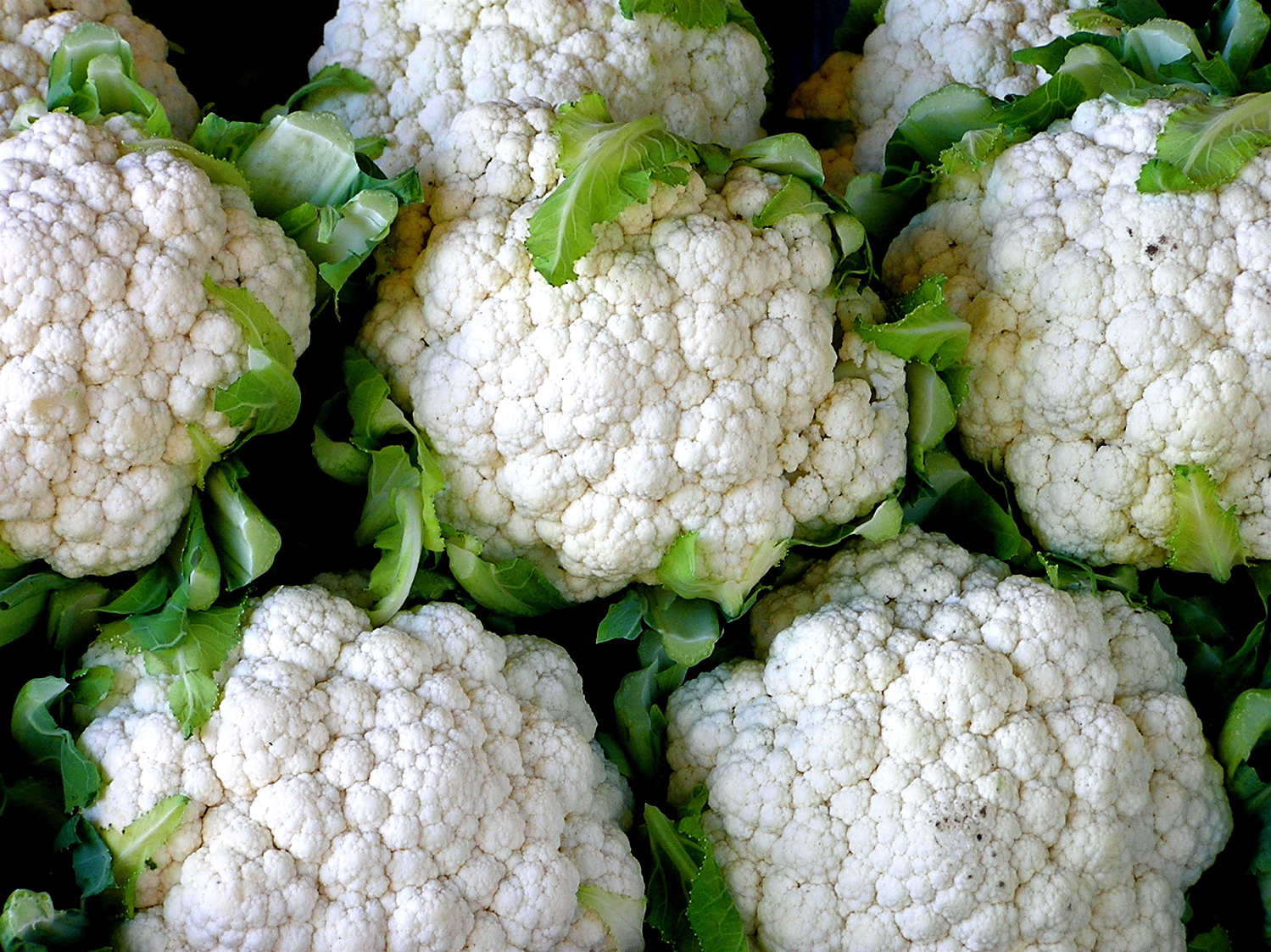
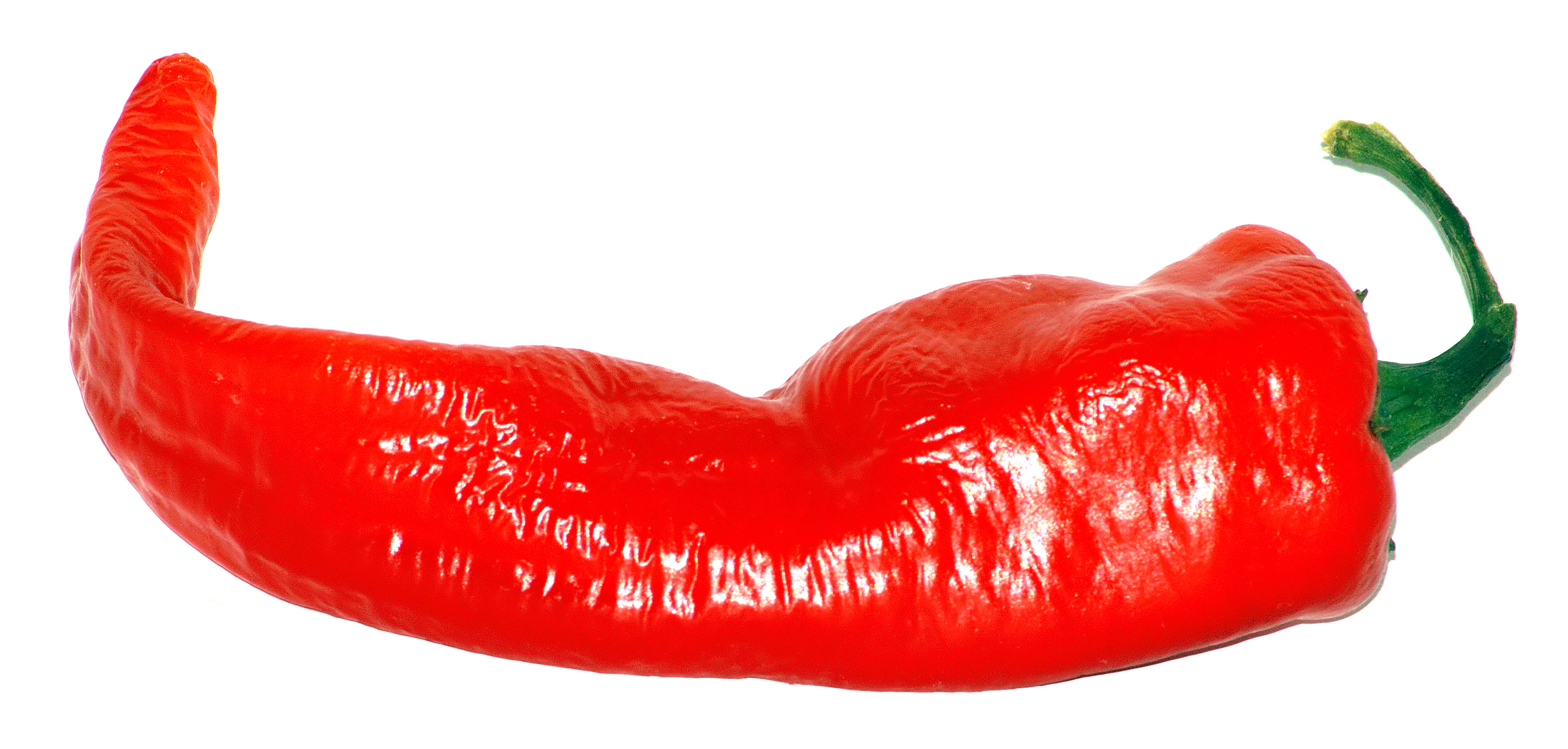
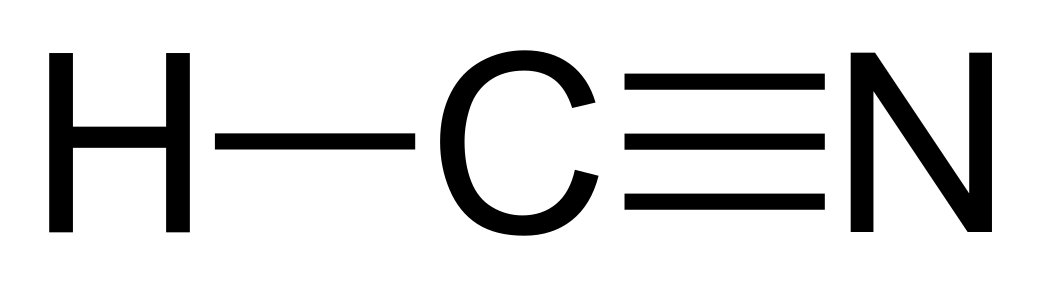
Cut Granny Smith apple image from Wikimedia. Cauliflower image from Calliope via creative commons. Hot pepper image by Andre Karwath via creative commons. Capsaicin structure by Jurgen Martens. Nicotine structure by NEUROtikerCyanide structure via Wikimedia.
Food plants also make some fairly toxic chemicals. The seeds of many familiar crops, including apples, cherries and peaches to name a few, contain a chemical storage component called a cyanogenic glycoside. When the seed is damaged, enzymes release hydrogen cyanide from the glycoside. Hydrogen cyanide is very toxic! It is a good reason not to eat those seeds, although it would take a lot of such seeds to hurt a person. The capsaicin that we enjoy in hot sauce is an insect protection chemical made by the pepper plant to defend itself. It is moderately toxic to us but not at the doses we normally consume. Quite a few plants make nicotine to ward off insects including tomatoes, cauliflower and eggplant. Nicotine is very toxic but not at the doses these crops produce. As with any toxic chemical, natural toxins are only an issue to humans at a certain dose.

Some natural chemicals, however, are extremely dangerous and we don’t want those in our food. Mycotoxins are a particularly nasty category of natural chemicals produced by certain fungi. One such chemical, called aflatoxin, is among the more toxic chemicals in existence and is also a potent carcinogen. Unfortunately, under certain circumstances, fungi can produce aflatoxin in food crops. In the developed world, a system of controls and testing keeps us well protected from this; in the developing world, though, aflatoxin is a major cause of death both through acute and chronic effects because it contaminates staple foods like corn or groundnuts.

nature-aflatoxin
Aspergillus infected groundnut image from International Institute of Tropical AgricultureAflatoxin structure by Ju

Some natural chemicals are elegantly selective in their toxicity. A soil bacterium, called Bacillus thuringiensis (usually called “Bt”), makes proteins that are specific in their toxicity to only certain categories of insects. One strain of Bt makes proteins that only effect beetles while another’s toxin only affects caterpillars. None of these Bt proteins are toxic to humans or almost anything else. We have made excellent use of these natural chemical toxins as sprayable insect controls and by genetically engineering plants to make their own supplies of the protein resulting in the plant being insect resistant.

Conclusion


Yes, nature does a great deal of chemistry. For us, these chemicals can be a source of good things, a source of good ideas, and sometimes a hazard or problem.

you are welcome to comment here and/or to email me at savage.sd@gmail.com
reade more... Résuméabuiyad

A Closer Look At Organic Pesticides In California


I've posted an article on Forbes taking a general look at the role of organic-approved classes of pesticides in California.  The take-home points are that pesticide actives that are approved for use in organic made up 55% of the total crop use in 2013 and that those are used by both organic and conventional growers.  I also take a look at the relative toxicity (simple acute ingestion toxicity) and there is a similar range for the organic and synthetic options.  None of this is surprising because what determines whether a pesticide can be "organic" is whether it is "natural", and that is not a safety-based criterion.  The safe use of all pesticides is the responsibility of the EPA and similar regulators around the world.


In this post I'd like to delve in more detail into what these widely used organic pesticides are and why they are used by all sorts of growers.

Major Categories of Organic-Approved Pesticides


In the first graph in this post I've divided the organic-approved materials into Mineral-based, Oil-Based, Natural Products and Live Biologicals.  I'll talk about each category below.

Mineral-Based Pesticides


The mineral-based pesticides that are approved for organic include sulfur, lime-sulfur, and various forms of copper. Together these materials comprise 34% of the pounds used but only 12% of the area treated. That is because these are relatively high use-rate materials (~2 to 25 pounds/acre).

Sulfur has been used as a pesticide since ancient times. While it is essentially non-toxic by ingestion, as someone who has worked long hours in treated vineyards, I can tell you that it is quite irritating to the eyes and skin. Sulfur controls powdery mildew fungi and suppresses spider mites, but has to be reapplied every 7-10 days. It works by sublimation (direct transition from solid to gas) so it is ineffective if it is cold and can burn the crop if it is very hot. It is converted into reactive sulfur compounds in the humid boundary layer of a leaf or berry.  Conventional growers have alternatives that need only be applied at ounces/acre every 14-21 days, but continue to use some sulfur in their programs as a way to manage resistance to the newer materials (see chart below for the trend in sulfur use on premium California grapes).

Conventional grape growers today use about 1/3 as much sulfur because they have other options

The next big mineral-based material is lime sulfur.  It is used for some dormant season sprays, so its “moderately toxic” status (EPA Class II) is not an issue for crop residues.  The remaining organic mineral pesticides are the copper-based fungicides which were discovered in the late 1800s and actually saved the European grape industry when a downy mildew pathogen was introduced from the New World. Some of the copper products are Class II in terms of oral toxicity, can be persistent, and are toxic to aquatic invertebrates, but with appropriate care for where they are used, they are considered safe . Again, conventional growers have lower rate, longer interval, more effective options, but use some copper for resistance management. Coppers are also one of the few options for the control of certain bacterial diseases and for algae control in rice fields.

Petroleum Oil-based Products


An interesting organic-approved category is a collection of oils derived from petroleum (mineral oil, paraffinic oils, petroleum distillates…). These too are relatively old products used at high rates, but they are effective on mites, aphids, whiteflies, scale insects and also powdery mildews. These are also EPA Category IV – “essentially non-toxic” to mammals by ingestion.  Again, they are also used by conventional growers along with other more modern options.

JMS Stylet Oil is a major organic brand in this category

Natural Products

Spinosyn-A - some seriously fancy chemistry (image via Klever)

About 2% of the acre-treatments on California crops were with various “natural products” which are chemicals that are made by plants or from fermentations of various microbes (thus qualifying them for organic). Nature is indeed a remarkable chemist, but that is not a guarantee of safety. Some of the most toxic chemicals known are from nature. The safe use of these materials is based on the same, elaborate risk assessment that agencies like the EPA conducts for all pesticides. The most widely used natural product is the plant hormone gibberellin (540,000 acre treatments). The next biggest product (309,000 acres) is Spinosadwhich was introduced by Dow Agrosciences. It comes from fermentation of an actinomycete. It’s a remarkably complex chemical, but very low in mammalian toxicity (Category IV) and quite effective against all sorts of caterpillars and hard to control insects like leaf miners. Unlike the mineral or oil-based pesticides, it can move inside of the treated plant to protect newly emerging leaves.  Lately it has become available to homeowners as “Captain Jack’s Dead Bug Brew” which is a sort of silly name, but definitely something I use in my garden.

The number 6 natural product (22,500 acres treated) is a relatively recently developed, plant-based natural product that comes from a plant called Epazote or American Wormseed. The small, California company that commercialized it was purchased by Bayer Chemical Company. They have since introduced a product in Europe which is made of a mixture of the same four terpene chemicals that occur in the plant extract. That sort of product often generates much debate in the organic community about whether it is still natural, but the chemicals are the same. In any case this product is effective against various insects including thrips which are difficult to control. That is why it will be increasingly used by both organic and conventional growers.

Thrips cause these feeding scars you often see on snap peas or snow peas
The smallest category of organic-approved products are the biological control agents. The most used and famous of these are various strains of the bacterium Bacillus thuringiensis, or “Bt.” These bacteria make a protein that is selectively toxic only in the guts of certain insects (e.g some work only on caterpillars, some only on beetles and some only on mosquitoes). Together, 10 Bt-based products were applied to 320,000 acres. Some crops have been genetically engineered to express these same Bt proteins, but those would not qualify for organic. Sweet corn has been modified this way, but the sweet corn growers have been asked by their retail store customers not to use the "GMO" varieties. Instead they must make at least six more sprays a season than they would need to if they could use a Bt variety. That is a shame.

The "natural" pesticides that are approved for organic also have an important role in conventional agriculture.  They are not qualitatively less toxic than synthetics, but then virtually all the pesticides used today are only moderately toxic at most and most commonly non-toxic in the classic sense. These and the modern synthetic pesticides play an important role in the efficient use of the land, water, fuel and labor that it takes to produce food. 

You are welcome to comment here and/or to email me at savage.sd@gmail.com


reade more... Résuméabuiyad

Pesticides: Probably Less Scary Than You Imagine


 The word "pesticide" conjures up negative, scary images. These images come from old organophosphate insecticides of the 1960s that killed fish and birds and caused farm worker illness.  These are sorely outdated images. What most people don't know is how much safer the new generations of pesticides are.  In fact, scores of old materials have been withdrawn from the market or banned long ago.  The new products are mostly compounds with extremely low mammalian toxicity and benign environmental profiles.  Today's pesticides are not your grandfather's or even your father's pesticides. Fortunately, you don't have to take my word for this.  There are some excellent sources of public data on this topic. These  products emerged from an on-going chemical discovery effort involving billions of dollars of investment over decades.  


Pesticides From A Consumer Perspective


One source of information about pesticides is a huge, annual sampling and testing exercise that the USDA carries out to look at what pesticide residues can be found in the food supply.  I have previously posted an analysis of that that data set from 2010 (latest available).  It shows that the residues that can be detected on US foods are at such low levels relative to conservative tolerances, there is no reason for US consumers to worry about them.  


What Sort of Pesticides Are Farmers Using Today?


When a recent, Stanford, meta-study cast doubt on the nutritional advantage of organic foods, some consumers stated that it is still worth it to buy organic because it doesn't have pesticides.   Many, perhaps most, consumers believe that organic means "no pesticides." This is simply not true - though it is a convenient fiction for some marketers and advocates. There are many pesticides that are allowed to be used on organic crops.   

One of the best ways to look at what is being used in both conventional and organic farming is to look at the extensive and transparent, California Pesticide Information Portal (CalPip).  California has a tremendous diversity of crops and also a very large share of the organic market.  It is a source for data which comes from mandatory reporting of all commercial pesticide use in the state.  CalPip posted two lists of the top 100 pesticides used - one based on total pounds applied and one based on the total number of acres treated.  I created a list that combined the two without the surfactants or other spray additives.  That left 104 materials.  I then looked up the publicly available, MSDS documents (Material Safety Data Sheets) to get the acute toxicity (oral ALD50) for each of the products (see graph below).  


The EPA defines a range of toxicity categories from I to IV, with IV being the least toxic (essentially non-toxic to mammals, but their terminology is classic regulatory-cautious).  On a weight basis, the largest share of pesticides used in California in 2010 fall into the least toxic category (62%).  The blue part of the bar includes products which allowed for both organic and conventional farms.  
About 1/3 of all the pesticides used in California in 2010 fall into the "slightly toxic" or "moderately toxic" categories.  Note that there are organic products in these toxicity categories as well.  Most of the organic pesticides in categories II and II are copper salts (copper sulfate, copper hydroxide...).  These are old products which the EPA still allows with some restrictions because of copper's issues with toxicity to aquatic invertebrates and environmental persistence.  Conventional growers can control the same plant diseases that organic growers treat with coppers using various category IV products which are less toxic which have benign environmental profiles.   Why would organic growers use pesticides with somewhat more risk issues than conventional?  Because the criterion for organic approval has nothing to do with safety as such.  It is all about whether it meets a certain definition of "natural."   As we will see later, categories II an III are not all that scary, but it is worth noting that organic does not automatically mean better from a pesticide perspective.
Note that only 0.2% of the commonly used chemicals in California fall into the "Highly Toxic" category, and those are used under strict limits to prevent any form of unwanted exposure.  Just for interest sake, however, Vitamin D3 would fall into this category if it were a pesticide.

How Toxic Are These Different Categories?

It is not that easy for most people to relate to these EPA category descriptions, so it is useful to make comparisons between pesticides and familiar chemicals in foods and pharmaceuticals (see graph below).

Vitamin C is something which many people take in large, 250-1000 mg doses on a regular basis.  Fifty-five percent (55%) of the pesticides used in California in 2010 were less toxic than Vitamin C. Sixty-four percents (64%) were less toxic than vitamin A.  Seventy-one percent (71%) were less toxic than the vanillin in ice cream or lattes. Seventy-six percent (76%) of the pesticides were less toxic than prozac and 89% were less toxic than the ibuprofen in products like Advil.  Ninety-seven percent (97%) of California pesticide use in 2010 was with products that are less toxic than the caffeine in our daily coffee, the aspirin many take regularly, or the capsaicin in hot sauces or curries.  This is not the sort of image that most people visualize when they hear the word "pesticides."

Of course, acute oral toxicity is only one of many dimensions of the EPA risk assessment that is behind all product registrations and reviews.  That is why, from a consumer health point of view, the comparison of residue levels to a tolerance is the most appropriate statistic by which to judge consumer safety (it factors in various forms of chronic exposure and the nature of the crop itself..).   People are also concerned about combinations of chemicals, but our diets contain more complex combinations of natural plant-made chemicals at much higher concentrations.   The beneficial aspects of eating things like fresh produce far outweigh any concerns about the pesticide residues that are in either organic or conventional foods.

What About Farm Workers or the Environment?


The people who tend our crops are certainly exposed to pesticides far more than any consumer.  What about them?  If one looks at the data for exposure via skin or breathing, a similar pattern emerges to that for oral toxicity - modern chemistries are low in hazard and thus in risk.  There are also label restrictions that prevent workers from being exposed to the more hazardous materials (e.g. what protective clothing is required and how long after a spray before anyone can re-enter the field).  All the registered pesticides are also extensively studied in terms of their effects on "non-target" organisms and their environmental fate.  The rules for how any given pesticide can be used (the label requirements) factor in worker and environmental risk.  Once again, the sort of issues that were common in the 1960s are not at all reflective of the modern situation.  Some organically approved pesticides have their own worker and environmental issues which are also mitigated by the same sorts of EPA label restrictions.

Are Pesticides Really Needed Anyway?

Yes, they certainly are.  Farmers use many other methods than pesticides to control pests (I'll be writing about that soon), but without pesticides our farms would be far less efficient in terms of resource-use-efficiency (land, water, fuel, fertilizers, labor).  That is why both organic and conventional farmers often need to use pesticides.  Again, the organic pesticide list was not created based on its risk profile, so there are many cases where the conventional options are as low or lower in risk than the organic option.  

So, overall, the “its all about pesticides” argument for buying organic is not compelling in a modern time-frame.  If someone wants to spend the extra money for organic, that is their choice. Someone who does not want to by organic should feel neither guilt nor fear about that decision.  It is a choice that is well supported by the science.


Spraying image from the USDA-ARS.  Graphs by Steve Savage based on CalPip Data.  I'm also happy to share my data files with those that are interested.  You are welcome to comment here and/or to write me at savage.sd@gmail.comhttp://appliedmythology.blogspot.com/2012/09/pesticides-probably-less-scary-than-you.html
reade more... Résuméabuiyad

Do You Really Need to Buy Organic Foods To Avoid Pesticide Residues?


Last week, a meta-analysis from a highly credible, academic source (Stanford University, its medical school and nearby institutions), raised serious questions about the often-touted, nutritional advantage of organic food.  They digested the contents of 237 peer reviewed articles comparing organic and conventional foods and diets.  They concluded that "the published literature lacks strong evidence that organic foods are significantly more nutritious than conventional foods."  This drew a great deal of attention and organic advocate defense.  Because even though Stanford is affectionately known by alums such as me as "the farm," it is certainly no ag-school promoting the status quo.  Instead, it enjoys a very strong reputation for research excellence.   It isn't easy to dismiss these findings.

Many commentators, confronted with the highly credible de-mythification of the nutritional advantage of organic, jumped to the paper's slight evidence supporting a 30% reduction in exposure to pesticide residues as a way to justify paying extra for organic. Does the science really support that claim?  No.

What I found disappointing about the Stanford study was the weakness of its analysis of differences in pesticide residues.  First of all, of the 9 papers it analyzed on this topic, only one was based on US crops.  Seven were about European food and one was from Australia.  The single US study used data from the 1990s.  Since that time there have been significant declines in the usage of older, more toxic pesticides.

The Stanford-associated authors drew the cautious conclusion that "consumption of organic foods may reduce exposures to pesticide residues...", but they didn't do anything to put that statement in perspective.  In fact, their analysis was only a comparison of the number of pesticide detections with no consideration of which pesticides were detected at at what levels.  Without that information, one can easily be counting,  as equivalent, chemical residues that could differ by a factor of a hundred thousand or million in terms of relative risk.   The Stanford group may have been limited by doing meta-analysis instead of original research, but in any case this sort of "detection counting" is the same egregiously misleading "analysis" that is committed each year by the Environmental Working Group in compiling their "Dirty Dozen List."

How Would You Best Answer Questions About Pesticide Residue Safety

The truth is that at least for the US, there is a perfectly good way to answer the question, "Should we be concerned at all about pesticide residues on our conventional food?"  There is a publically available, fully transparent, downloadable data-set that provides exactly the information needed to get those answers. Each year, a group in the US Department of Agriculture (USDA-AMS) conducts a huge effort called "The Pesticide Detection Program." (PDP).  They collect thousands of samples of food commodities from commercial channels throughout the year, and then take them back to the lab and analyze each for hundreds of different pesticide residues.   It is effectively a "report card" on the entire food production system about how well it protects consumers from undesirable pesticide exposure.

I've been working for a while to do a rigorous analysis of the latest available PDP data from 2010.  It has been a daunting task, because it is a nearly 2 million row, 85MB document. It contains a great deal of useful information in a form not easily accessed or understood by the public.  However; once this is data iscrunched; it is easy to see why the USDA, EPA, FDA conclude that consumers have no need to worry about the safety of their food supply from a pesticide residue point of view.


The graph above shows that the vast majority of the residues that the USDA scientists detect are at less than one part per million (1 milligram/kilogram).  There really are not very many chemicals, synthetic or natural, that are of concern at these levels, but fortunately the USDA data does identify what the chemicals were and one can find out about them by searching for an MSDS (Material Safety Data Sheet).


When most people hear the word, "pesticide" they imagine something quite dangerous.  What they don't know is that over the last several decades, the old chemicals have been steadily replaced by much less hazardous ones that have emerged from a multi-billion dollar discover effort.  That is why 36.6% of the residues detected in 2010 were for chemicals that are less toxic to mammals than things like salt, or vinegar or the citric acid in your lemons (see graph above).   73 percent of the detections  were for pesticides that are less toxic than the vanilla that is in your ice cream.  90.5 percent of the pesticides detected were less toxic gram per gram than the ibuprofen that is in the Advil tablets that tens of millions of people take on a regular basis.  95.4% of the detected residues were from chemicals that are less toxic than the caffeine that is in your coffee each morning.  "Pesticide" does not equal "danger."

Even so, the best way to answer the question, "should I worry about pesticide residues?" is to compare what was detected to something called the "EPA tolerance."  Companies that want to register new pesticides or to continue to use older ones spend well over $100 million dollars and several years of research to characterize the hazards (or lack thereof) that are associated with each chemical.  These are used to inform a sophisticated, EPA-driven  "Risk Assessment" process that determines if the chemical can be used and with which restrictions (e.g. how long the use must stop before the crop is harvested.)  The "tolerance" that comes out of this process is designed to set a maximum level of that pesticide residue that should be detected in practice. This value includes a generous safety margin (on the order of 100x).  Anything that is detected which is below the tolerance is not of any concern.  The tolerances are set specifically by chemical with differences for each crop to reflect  differences in the amount people would eat and which crops tend to be consumed the most by children.  

What Does The Residue Testing Say?


The reason that the USDA can look at their data and make strong statements about safety is that the residues they find are virtually all below the tolerances, mostly far below (see graph above.)  Only 7.8% of the residues detected in 2010 were even within the range of 0.1 to 1 times the tolerance.  More than half were less than 1% of the tolerance (see graph above).

The Stanford study cited a 30% reduction pesticide residue detections which is essentially meaningless in the context of the miniscule risk associated. Unfortunately, many consumers have been convinced that there is a risk where there isn't one.  They have gotten this from misleading promotion of organic as "pesticide-free" when it isn't, and by the scaremongering of groups like the EWG. The net effect of consumer concern about pesticide residues, driven by distorted messaging, may be a reduction in fresh fruit and vegetables consumption (see graph below).   After some modest increases in fruit and vegetable per capita consumption in the 80s and 90s, those trends have ceased or even been reversed.  How much of that is related to disinformation about the risks associated with pesticide residues?  A study by the Hartman group found that some consumers said they reduced their produce purchases specifically because of the "dirty dozen list."  The question needs more research.

This new study, even if it is from Stanford, does not provide consumers meaningful guidance on the question of whether they should spend more to avoid pesticide residues.  The more relevant USDA data says that they don't need to hesitate to buy and consume "conventional" foods.

You are welcome to comment here or to email me at savage.sd@gmail.com.  Graphs are based on USDA-AMS pesticide data and USDA-ERS produce trend data.


reade more... Résuméabuiyad