Pages

.

Organic Might Not Mean What You Think It Means

(This post originally appeared on Forbes 3/6/17)

Organic might not mean what you think it means.  Recent data generated as part of the USDA’s Pesticide Data Program (PDP) shows that there are detectable, low level pesticide residues on organic fruits and vegetables. This isn't surprising information.  It echoes results from previous PDP testing and with more comprehensive testing of organic samples in 2001-11 by the USDA and 2011-13 by the Canadian Food Inspection Agency. What is interesting is that while the incidence of residue detection is somewhat lower for organic, the very low levels of chemicals found are quite similar to the low levels detected on conventional samples. The 2015 PDP study found residues of 68 different pesticides, pesticide metabolites, or plant growth regulators on organic fruits and vegetables.


Red organophosphates, Blue carbamates, Green organochlorines from historical use


For 37% of these chemicals the average residue on organic samples was actually higher than the averages on conventional, but still very small.
What really matters is that the levels detected for both kinds of produce are below the “tolerances” that are set by the EPA and those tolerances already reflect a generous safety margin.  

So, what these data really tell us is this:
“Yes. Skilled analytical chemists can detect tiny amounts of synthetic and natural pesticide residues on organic and conventional produce. In both cases the level that are found are below to well below any threshold of concern. Our regulatory system is working. Those who grow our food are well trained and are following the rules designed to both enable crop production and protect the public. Enjoy your safe, healthy, delicious options!”

Background on the PDP


Each year the USDA gathers and analyzes around ten thousand samples from the mainstream US food supply – mainly fruits and vegetables. In the sampling process, USDA ends up including some items labeled as USDA Organic (349 samples in 2015, 4% of the total). USDA labs then look at all the samples for residues of crop protection chemicals using extremely sensitive analytical methods.

USDA provides both brief and detailed summaries of this information, but I appreciate the fact that the raw data is transparently available to the public so that I can look through it myself (it is bit challenging because there is a two million+ row main table, a 10 thousand row sample table, and 18 reference tables). I looked in detail at all the pesticide detections and also looked at the testing results for produce samples that were being sold with the organic claim.

What Was Found?


As with the overwhelming majority of samples, the residues detected on the organic items are at levels below the conservative “tolerances” that are set by the EPA. Yes, residues are present. No, they are not a safety problem. However, the presence of residues does conflict with what many consumers have been led to believe about the difference between organic and conventional.

Many people think that organic means “no pesticides.” That is simply not true. Organic farmers can and do use a range of allowed pesticides because they too have to deal with pests. The list of organic-approved pesticides is not based on safety criteria but rather on whether or not they can be considered “natural.” Again, in spite of much misleading marketing, “natural” does not automatically mean safe. In fact the USDA which is in charge of organic certification specifically states on its website that “our regulations do not address food safety or nutrition.”

As with all pesticides and other crop protection products, it is the EPA which assesses which pesticides can be used safely, and within what constraints.

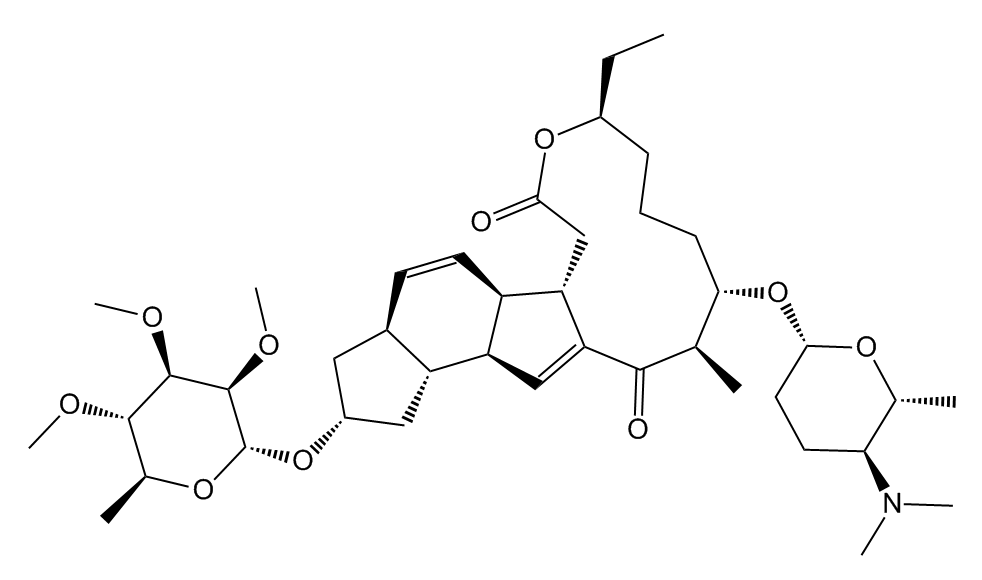
So what sorts of residues are found on the organic samples? The most common detection is of an insecticide called spinosad. That is an effective control for a variety of caterpillar pests and is produced through a microbial fermentation process, thus allowing it to qualify for use in organic (see chemical structure of one of the spinosyns below). Just to be clear, the spinosad products are produced by the Dow chemical company.

Chemical structure of a spinosan (Image from Cappacio)
Conventional farmers also make good use of this and other natural products. Spinosad is really the only natural product pesticide that is detected in the USDA’s monitoring program. Other widely used products like sulfur, petroleum distillates, copper salts and microbial products can’t be monitored using the same, highly sensitive and cost-effective tools that allow the USDA to generate the more than two million test results they generate each year. If specific tests were conducted for those natural products, the number of residues detected per organic sample would probably be much larger – but it wouldn’t really change the overall conclusion that these foods are safe to enjoy.


Other than spinosad, the remaining 80.2% of residues detected on organic are of “synthetic” chemicals.

Graph by author

While very few of the synthetic materials used in agriculture today are intrinsically very toxic to humans, they are theoretically not supposed to be present on organic because they are not on the list of approved, natural options.

There is however a rule in the organic certification system that any residue present at 5% or less of the USDA tolerance will be considered “unintentional” and thus not a reason to deny organic certification. 62.1% of the 2015 organic detections met that criterion, but interestingly so do 74.6% of the detections on non-organic samples from the US and 70.1% of the detections from imported, non-organic samples. Not so different.

Another 15.6% of residues detected on organic technically violate the organic rules by being over 5% of EPA tolerance, but such residues are still fully safe based on EPA criteria. That same safety criterion applied to 23.0% and 25.2% of conventional US and imported samples respectively. For both organic and conventional there are a few detected residues of products that don’t have a specific, assigned tolerance for the crop in question. These are generally very low-level detections, so while they represent technical violations they are not of real concern and once again, similar for organic and conventional (average “no tolerance” detection for organic 23.7 parts/billion, average for conventional imports 19.8 ppb, and average for US conventional 17.2 ppb).

To reiterate, what this transparent public database tells us is that our food supply is safe from the perspective of pesticide residues. This means that our regulatory system is working and that thousands of farmers in the US and elsewhere are doing a great job of managing pest damage while still protecting our health. The data also tells us that there are some striking similarities between organic and conventional when it comes to residues. What the data also tells us is that as consumers we should reject some of the misleading marketing and advocacy efforts of certain irresponsible elements of the organic industry. Instead of giving in to those fear-based campaigns we should feel the freedom to choose healthy and delicious produce using important criteria like freshness, flavor, quality and affordability.

There is a site you can use to visualize the PDP data http://www.cropaudit.org/

You are welcome to comment here and/or to email me at savage.sd@gmail.com


reade more... Résuméabuiyad

Nature: The Original Chemist

(This post originally appeared on the PPIP Blog)
We frequently see a contrast drawn between what is “natural” and what is “chemical.” Sometimes products are described as “chemical-free” even though every physical object is made of chemicals. As much as this suggests a problem with our science education, it speaks to a missed opportunity for wonder. Nature is not some sort of cosmic mother figure; on the contrary, nature is composed of diverse biological and physical processes, including some pretty amazing examples of chemistry continually taking place. If we indulge the human personification of nature and it’s “children” a bit, we could say the following about these “chemists:”
  • They are extremely creative.
  • They can make really complex molecules.
  • Some of their chemicals last a really long time – which is sometimes good and sometimes bad.
  • They are really good at making polymers.
  • They make some extremely toxic things.
I’ll give a few examples below.


Creative Natural Chemistry

The diversity of naturally occurring chemicals is staggering. Humans regularly take advantage of this, particularly when we need ideas for things like pharmaceuticals or crop protection products. Sometimes we extract the chemicals from a plant or other living thing. Often we grow tanks of microbes to harness their ability to make a chemical we find useful. In cases where the amounts of the chemical are too small to be practical from the natural source, human chemists can synthesize the same compound to fulfill the quantity needed. An example of this is a new potato sprout inhibitor. In many other instances, a natural chemical serves as the inspiration for human chemists to experiment with similar structures leading to the discovery of particularly useful drugs, fungicides, etc.
nature-ideas
Taxol structure image by Calvero. Pacific Yew tree image by Jason Hollinger via creative commons. Azoxystrobin fungicide structure by Yikrazuul.   Strobilurus tenacellus mushroom picture by Tatiana Bulyonkova at Mushroom Observer.


Complex Natural Chemistry


Some of the most abundant chemicals in nature are simple. Nearly 80% of the air we breathe is nitrogen in the form, N– just two nitrogen atoms bonded together. Nitrogen goes through natural cycles that are important to all living things but often stays in relatively uncomplicated forms like ammonia (NH3) or nitrate (NO3). On the other hand, natural chemicals can be complex, so much so that it would be challenging for even a skilled human chemist to make them.
One of these complex examples is called spinosad and it is produced by a microbe called an actinomycete. We have found this to be a particularly effective insecticide for use on crops yet quite benign for the environment and not toxic to people. The chemical company that produces this for farmers relies on the natural microbe to produce this complicated bit of chemistry.
spinosad
Structure of Spinosyn image by Capaccio via creative commons.


Long-Lived Natural Chemicals


Most naturally occurring chemicals are part of a cycle in which chemicals combine, making a material, but then eventually break back down into basic constituents to begin the cycle again. Some naturally produced chemicals are relatively long-lived. This can be a good thing in the case of the chemicals that are found in the organic matter of a healthy, undisturbed soil. These are not just any plant or microbial product; they are specific compounds that slowly cascade through a series of breakdown products.

For instance, plants make a group of complex, phenolic chemicals, called lignin, which are important for strengthening their cell walls. Lignin is quite resistant to microbial breakdown, although some fungi can and do destroy it, even as they decompose wood. Lignin is a major component of what is termed humus – the component of soil that helps to buffer nutrients and retain moisture. When soils are converted from wild land to cultivation, there is a dramatic increase in the rate of breakdown of these chemicals and thus the release of the carbon dioxide.

Some long-lived, natural chemicals, however, are less desirable. Under low oxygen conditions, soil-dwelling microbes can interconvert forms of nitrogen (e.g. ammonia to nitrate or nitrate to nitrogen gas). In that process, they “accidentally” make some nitrous oxide (N2O). Nitrous oxide is around 300 times more potent than carbon dioxide as a greenhouse gas because it lasts longer in the atmosphere. Unfortunately, human activity can exacerbate the production of this naturally generated chemical from farmed soils. Adjustments in farming practices can lead to a better balance of the production of natural chemicals that help or hurt greenhouse gas levels.


Fancy Polymeric Natural Chemicals


In the 1967 movie The Graduate, the character played by Dustin Hoffman is lectured about how the future is going to be all about plastics. Indeed, many people were excited in that era about polymers that chemists were developing, like nylon and polyester. These are based on long chains of monomers attached end to end.

Many of the most abundant natural chemicals on earth are also polymers, which are long chains made of simple sugar molecules. Depending on which sugar and how the sugars are linked together, the polymers result in anything from the cellulose that makes cotton fiber to wood or even the alginate from seaweed we use for thickening foods or the starch that is the primary energy source in foods like pasta, bread, rice or potatoes. Increasingly, we are tapping in to the enzymatic tools found in microbes in order to make polymers from renewable resources.

Variously Toxic Chemistries


Most people associate the term natural with the terms safe and wholesome. This impression has been created by decades of marketing, not by any understanding of the chemicals in nature. Many natural chemicals are perfectly benign; however, nature’s assortment of chemicals also includes many that are toxic by various mechanisms.  Lots of plants make chemicals to protect themselves from being eaten or otherwise bothered. We have all heard about nasty plants like poison ivy or even lovely plants like the Colorado Columbine which are dangerous to eat.
nature-toxic
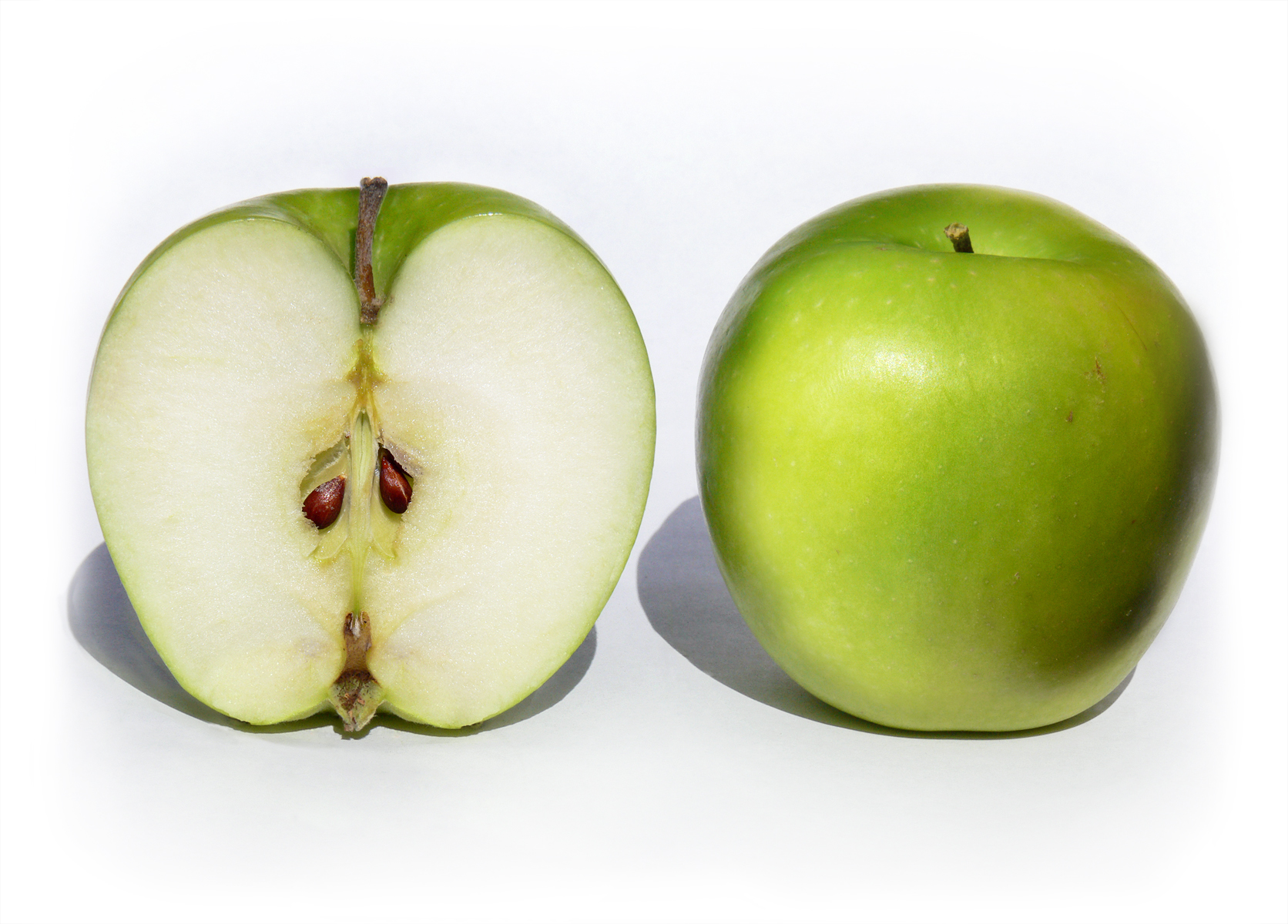
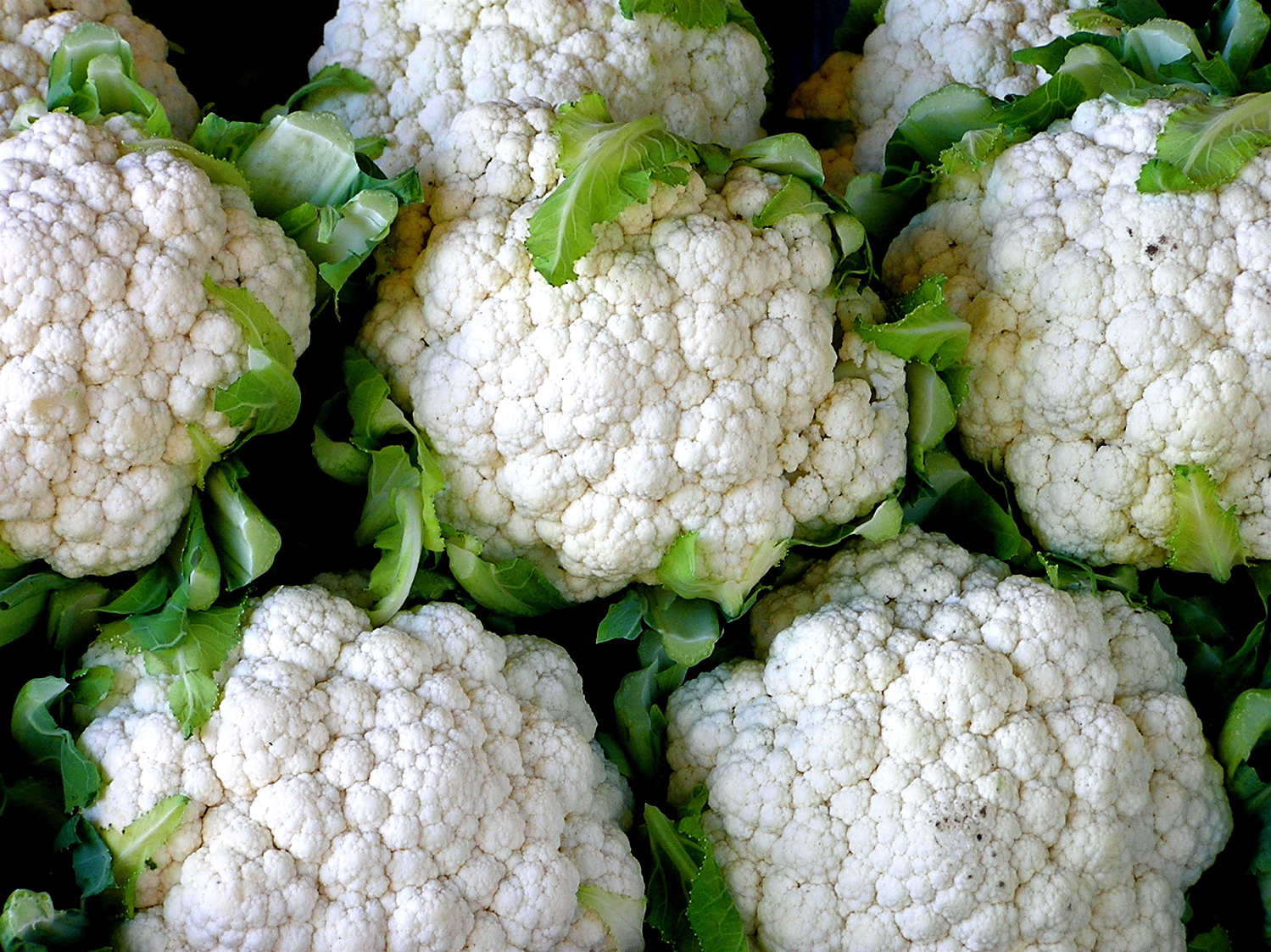
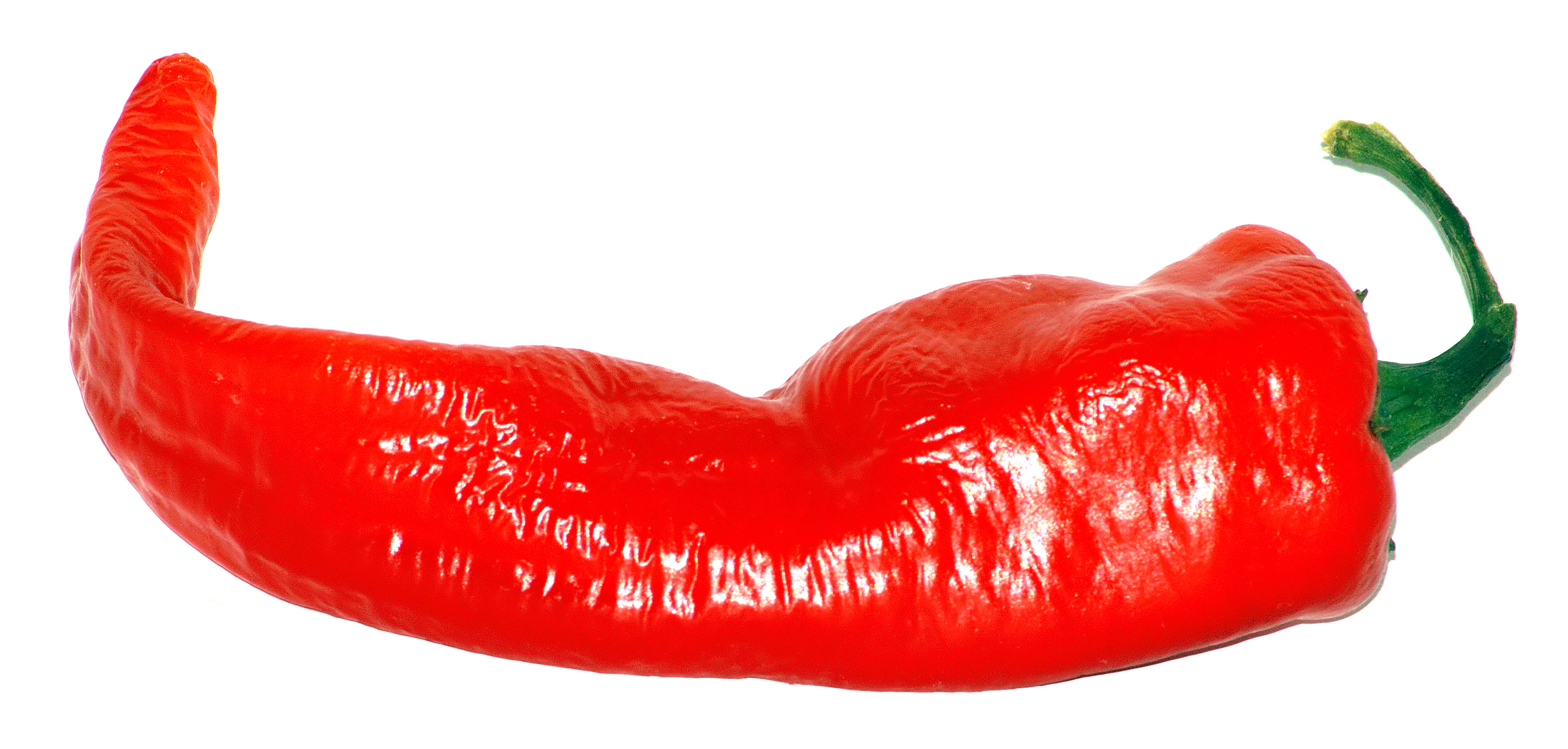
Cut Granny Smith apple image from Wikimedia. Cauliflower image from Calliope via creative commons. Hot pepper image by Andre Karwath via creative commons. Capsaicin structure by Jurgen Martens. Nicotine structure by NEUROtikerCyanide structure via Wikimedia.
Food plants also make some fairly toxic chemicals. The seeds of many familiar crops, including apples, cherries and peaches to name a few, contain a chemical storage component called a cyanogenic glycoside. When the seed is damaged, enzymes release hydrogen cyanide from the glycoside. Hydrogen cyanide is very toxic! It is a good reason not to eat those seeds, although it would take a lot of such seeds to hurt a person. The capsaicin that we enjoy in hot sauce is an insect protection chemical made by the pepper plant to defend itself. It is moderately toxic to us but not at the doses we normally consume. Quite a few plants make nicotine to ward off insects including tomatoes, cauliflower and eggplant. Nicotine is very toxic but not at the doses these crops produce. As with any toxic chemical, natural toxins are only an issue to humans at a certain dose.

Some natural chemicals, however, are extremely dangerous and we don’t want those in our food. Mycotoxins are a particularly nasty category of natural chemicals produced by certain fungi. One such chemical, called aflatoxin, is among the more toxic chemicals in existence and is also a potent carcinogen. Unfortunately, under certain circumstances, fungi can produce aflatoxin in food crops. In the developed world, a system of controls and testing keeps us well protected from this; in the developing world, though, aflatoxin is a major cause of death both through acute and chronic effects because it contaminates staple foods like corn or groundnuts.

nature-aflatoxin
Aspergillus infected groundnut image from International Institute of Tropical AgricultureAflatoxin structure by Ju

Some natural chemicals are elegantly selective in their toxicity. A soil bacterium, called Bacillus thuringiensis (usually called “Bt”), makes proteins that are specific in their toxicity to only certain categories of insects. One strain of Bt makes proteins that only effect beetles while another’s toxin only affects caterpillars. None of these Bt proteins are toxic to humans or almost anything else. We have made excellent use of these natural chemical toxins as sprayable insect controls and by genetically engineering plants to make their own supplies of the protein resulting in the plant being insect resistant.

Conclusion


Yes, nature does a great deal of chemistry. For us, these chemicals can be a source of good things, a source of good ideas, and sometimes a hazard or problem.

you are welcome to comment here and/or to email me at savage.sd@gmail.com
reade more... Résuméabuiyad

The Many Ways Farmers Control Pests

The post originally appeared on the Putting Pesticides in Perspective (PPIP) Blog on 2/7/17 on which there are also 6 related sub-posts

Whether a farmer is growing in an organic or conventional system, his or her crop needs to be protected from damage from plant pests (insects, fungi, bacteria, viruses, nematodes, weeds…). To fail to minimize pest damage leads to inefficient use of scarce resources like prime farm land, water, or inputs. The quality and safety of the final products can also be compromised.
While materials we think of as “pesticides” play an important role, modern agricultural pest management depends on a combination of several tools and strategies which, when used together, offer a more resilient, economic, and effective means of crop protection. Though some of these practices have been part of traditional farming, many are more recent innovations. The explicit design of these multi-strategy programs began in the 1970s, and the approach is now widely adopted as integrated pest management (IPM). The optimal IPM program varies widely by crop and geography; this post will describe some examples that highlight the various components.

The approaches used to implement IPM programs generally fall into six categories:
  1. Avoiding the pest
  2. Employing the plant’s own genetic defenses
  3. Modifying the climate
  4. Disrupting the pest's life cycle
  5. Fostering beneficial organisms
  6. Using targeted pesticide applications
A brief introduction to each of the six approaches follows with additional links to the more detailed presentations. Each post will link back to the list above.
  1. Avoiding the pest
Not all pests occur in all places either because they have not spread there or because they cannot flourish in the climate of a given region. Both of these limitations have been historically important factors to consider when deciding what crops to grow where, and these pest limitations continue to be important considerations for farmers. Long-term, this strategy is limited by climate change and by the extensive movement of people and goods around the world
Plants fight back against pests by evolving a variety of defensive strategies controlled by genetic traits. Built-in genetic resistance is an attractive form of pest control for farmers, but it is a resource that requires considerable effort to employ and stewardship to maintain as an effective part of an IPM program. For some crops, farmers can maintain a seed bank of genetic variation and draw upon it to keep ahead of the pest’s inevitable tendency to evolve around plant defenses.
When genetic resistance is available, it is generally wise to complement it with other IPM elements, such as pesticides, to avoid losing the valuable traits. For many crops, conventional methods of breeding are too slow and/or complex to easily employ genetic solutions. Traditional and advanced grafting approaches offer a dual plant genetics approach that has been quite useful in many systems. Advancements in biotechnology allow farmers to use same-species resistance genes in hard-to-breed crops as well as novel genetic approaches that have shown considerable benefit in the few cases where they have been allowed to-date.
In some cases, farmers can shift the microclimate in which the plant is grown enough to reduce the threat of certain pests. Various degrees of protected culture have been widely used to shield crops from rain and/or to shift the temperature regime to extend the growing season at either end. The nature of the plant canopy can sometimes be managed to reduce humidity, increase light or otherwise create a microenvironment that is suppressive to certain pests.
Several strategies for pest control center on making it more difficult for the pests to reproduce. These range from crop rotation to insect pheromones to removal of damaged or infested plant parts. Other approaches involve the release of male insects which are sterile so that the females with which they mate do not produce any offspring.
Even pests have pests, and often there are ways that farmers can encourage these natural enemies to help keep pest populations low enough to obviate the need for other control measures. Sometimes, it is possible to actively produce and add the bio-control organisms to the system.
Farmers can use a wide range of crop protection agents as part of an IPM system. In a great many cases, these agents are low hazard options in terms of environmental, beneficial, or human impact, but the use of all such agents is highly regulated on a national and state level. These crop protection agents are often important for preserving the utility of other IPM approaches, particularly genetic resistance. Farmers have many economic and practical incentives to only use these materials on an as-needed basis.
Pest control in agriculture is a multi-dimensional effort, and pesticides are just one of the important tools that farmers employ. Some of these tools have been in use for a long time and some are new. With climate change, the control of pests will become even more difficult. As the global population grows and standards of living increase, it will be even more important for farmers to avoid the sort of losses and food waste that pest cause. Fortunately, the toolbox available to fight pests is diverse and constantly improving.

You are welcome to comment here and/or to email me at savage.sd@gmail.com

reade more... Résuméabuiyad

Whole Foods Wants To Sell You Slower-Growing Chicken. That Is Probably A Bad Idea


(This post originally appeared on Forbes on 1/20/17)

One challenge of being a modern food consumer is knowing what to believe or not believe in terms of food production narratives. There is a new campaign claiming that going back to older, slower growing chicken breeds is the right thing to do. There are some good reasons to reject that idea.

Most Americans enjoy eating chicken. On average we each consume about 90 pounds per year, a three-fold increase compared to per capita consumption in 1960. Chicken producers have kept up with this increasing demand even as our population has also increased. What was once a luxury food has become a very affordable option. Chicken remains an economically attractive choice for consumers, in large part because of increases in the production efficiency of modern chickens. Particularly in the last century, chicken farmers have consistently mated their best roosters with their best hens and steadily shifted their flock genetics towards more and more efficiency. Today, chickens are the most efficient of our meat animals in terms of how much grain it takes to produce each pound of final product. That also means more efficiency in terms of water and land use. Overall, this history is a good example of increasing sustainability.

While this progress has been a positive for consumers and the environment, there are some advocates saying that we should go back to using earlier, slower growing breeds of chickens. They claim that the rapid growth compromises the welfare of the birds and that slower growing chickens are a more ethical choice. The slow growth argument is that the weight gain of the chicken has outstripped its bone development so that the chicken becomes physically compromised, at least in the case of the birds kept around longer as breeding stock. In a recent article by Dan Charles for NPR, that concern seemed to be supported by William Muir, an independent animal science expert from Purdue University. I wrote to Dr. Muir and he said he had been misquoted. He and other industry experts say that chicken breeding has been simultaneously focused on weight and bone strength. 

By several objective measurements, modern chickens seem to be better off. Mortality rates are down substantially. The houses in which chicken are raised have better climate control and the flocks are protected from disease by vaccination.   Antibiotics were once used to improve gut health but that practice has been phased out. As of 2017 there is no longer any feeding of dual-use, animal/human antibiotics for growth promotion in chicken. This website has a helpful video about how chickens are raised.

The upscale grocery retailer, Whole Foods, is asking its suppliers to make the switch back to slower growing breeds. Some animal rights groups are putting similar pressure on the companies that supply chicken to restaurants. Is there really a conflict between sustainability and animal welfare when it comes to our most popular meat?

As consumers we would be wise to be skeptical about the assertion that fast growth is bad for the birds. Not everything you hear about chickens is true. For instance many consumers have been convinced that they should buy chicken labeled as not having added hormones even though no chickens are given hormones and haven’t since the 1950s.

Some of the ramifications of shifting back to slower growing chickens
Last week the National Chicken Council released a detailed report about what a change to slow-growing birds would mean in terms of resource-use and production costs. I pulled out some of the statistics that were most compelling to me as a crop scientist. In the hypothetical case that one third of the chicken industry switched back to slower growing birds, it would substantially reduce the overall supply of chicken for only a 14 day change in the growing cycle of the birds. The drop in feed-use-efficiency would mean that 33.5 billion more pounds of feed would need to be devoted to chicken production which would represent 670,000 tractor trailers full of grain. Currently each acre of grain (corn/soy) can feed 344 birds. The same amount will only feed 224 of the slow growing birds. That would translate into 7.6 million acres of farmland needed to support a 1/3 conversion. There are also ramifications for water use, the amount of manure produced (28.5B pounds), and of course the cost ($9B at the producer level and much more at the consumer level).

NCC is encouraging the foodservice and retail industries to fully consider all the economic and environmental ramifications of a potential change in chicken genetics. They are also supportive of research to objectively evaluate questions about animal welfare and health as effected by growth rate.

It is likely that some food industry players could profit from the creation of another up-sell category for meat. However it is appropriate to ask whether that is indeed a responsible path to take. Consumers have good reason to think this one through before going along with this marketing campaign.

You are welcome to comment here and/or to email me at savage.sd@gmail.com


(Just to show that I take my chicken seriously, here is my favorite recipe for home made, dry rub chicken)


reade more... Résuméabuiyad

How Can Pesticides Be Safe?

Many people may find it difficult to imagine how a pesticide could ever be safe. To understand how that is possible, it is helpful to make the comparison with something more familiar: electricity.
It is hard to envision modern life without electricity. As much as we enjoy and need this source of energy, it involves some hazards. Electricity can, and sometimes does, cause injury or death.  Yet overall, we think of using electricity as a reasonably safe aspect of our lives.
Safety can’t be precisely defined. What we perceive as safe is something where the benefits more than offset the minimal risks. We can enjoy electricity’s benefits with little risk through two main strategies: 1) using low-hazard forms of electricity and 2) keeping ourselves from being exposed to hazardous forms of electricity.
the-safe-use-of-electricity
The Low-Hazard Approach
Increasingly, we power the devices central to our lifestyles with forms of electricity that are practically non-hazardous. The prime examples would be our cell phones, Bluetooth devices, or portable music players that run on low-voltage, direct current electricity which is nearly incapable of causing us harm.  That same, low-hazard approach plays an important role in pesticide safety.
In the middle of the last century, a number of the early pesticides in use were chemicals that were quite toxic to mammals, and thus to humans. The U.S. began to seriously address the issue with the establishment of the U.S. Environmental Protection Agency (EPA) in 1970. Soon, the truly dangerous pesticides were removed from the market or their use was greatly restricted.
Since then, billions of dollars have been spent on the discovery, testing and regulatory review of new, far less toxic pesticide options. In the charts below, I’ve examined the toxicity of crop protection materials that have been used through looking at historical U.S. Department of Agriculture (USDA) data on Washington State apples and California pesticide reporting data from all crops in 2013. In these charts, the toxicity is based on feeding studies with rats or mice, which is used as an indicator of potential toxicity to humans. Other measures of toxicity have similar trends.
oral-toxicity
The EPA has four toxicity categories to classify the acute hazards of pesticide products. For use in apple orchards, the data show that pesticides from EPA Category I, Highly Toxic, were never more than 10% of the total pesticides used, and that their use has steadily declined. These would be pesticides as toxic as the nicotine that is sold for e-cigarettes. Only 0.2% of the pesticides applied to California crops in 2013 were in this category.
oral-toxicity2

EPA Category II, Moderately Toxic, includes materials with toxicity in the same range as the capsaicin in hot peppers or the caffeine in coffee – familiar and even sought-after natural chemicals in our diets. That category represents very limited use on apples today, and only 18% of what growers applied in California apple orchards in 2013.
The pesticide use category that has grown is termed Slightly Toxic (EPA Category III). Toxicity for crop protection materials in this category is in the same range as the citric acid in a lemon or the vanillin in a vanilla bean.
The largest category of pesticides applied to apples and other crops today is Practically Non-Toxic for mammalian consumption (EPA Category IV). Comparing this to our use of electricity, we can see that low hazard is a major strategy through which we minimize pesticide risk.
To understand how something that is designed to kill or otherwise control a pest could be non-hazardous, consider the example of chocolate which has a flavor ingredient that we humans love but which can be toxic to our pet dogs. Chemicals can have different effects on different species. Scientists use the terms specificity and mode of action to describe how chemicals have their specific effects. With modern pesticides, the mode of action is normally the inhibition of some specific enzyme that is important to the viability of the pest. If the enzyme is inhibited by the pesticide, the pest might stop eating, stop growing and/or die.
That enzyme often isn’t one that even exists in humans and other animals ourselves or in other groups of organisms unlike the pest. A modern insecticide usually only affects enzymes that are found in insects or even a few kinds of insects. A modern herbicide might only inhibit an enzyme that is needed for the growth of plants. A modern fungicide inhibits an enzyme in a pathway of enzymes that is found in certain fungi. While all of these products should still be handled with a reasonable degree of caution, they are, like the electricity that powers our cell phones, low hazard and thus low risk. We can feel safe about their use.
Limiting Exposure Risk When There Is a Hazard
We still need the more hazardous forms of electricity (such as the 120 volt alternating current) for needs like lighting, heat, air conditioning etc. To minimize risk, we’ve developed safe guards such as systems of insulated wiring, childproof plugs, circuit breakers and GFCI outlets to keep us from being exposed to that hazard. Where we need 220 volt service, we have even more ways to avoid exposure. To be connected to the grid we need the extremely hazardous, high-voltage electricity coming to us from wherever it is generated. The high-power transmission lines are designed to make it unlikely that anyone will be exposed to that extremely hazardous form of electricity.
Some pesticides that we need to manage certain pests represent a possible hazard to mammals, like humans, or sometimes to other non-target organisms like birds, fish amphibians or aquatic invertebrates. The safe use of these pesticides is all about limiting exposure. For all pesticides used in agriculture, anyone who is directly involved in the mixing or application of the chemical must follow specific requirements regarding protective clothing and equipment. For low-hazard materials, that might just be gloves, closed shoes and a dust mask. For something that could be a significant human hazard, those restrictions would include a respirator and a protective whole-body TYVEC™ suit.
Restrictions can also dictate how soon after an application anyone can re-enter a treated field (re-entry interval or REI). For low-hazard pesticides, that time period can be a few hours or less. For more hazardous pesticides, the REI can be a number of days. For pesticides that are hazardous to fish or other aquatic organisms, restrictions mandate how close applicators can apply them to waterways. Similarly, for pesticides that are hazardous to bees or other pollinators, restrictions control when applicators can apply them relative to bloom times and/or times of the day when bees and other pollinators are working.
For all pesticides, the EPA conducts an extensive risk assessment and uses that information to set up a detailed set of restrictions designed to prevent the existence of any residues of concern to consumers by the time the crop is harvested. The details of this system are discussed in another post titled, Do I Need to be Concerned about Pesticide Residues on and in My Food?
The moral of this story: just like electricity, pesticides can be used in a way that meets our need for clean, productive farming while giving us a comfortable and functional level of safety.

reade more... Résuméabuiyad

Do You Really Need To Worry About Pesticide Residues On Your Food?


fresh fruits and vegetables
Some of the healthy fruits and vegetable we can enjoy (Image from Wikimedia)
Many Americans have concerns about pesticide residues on food – particularly for fruits and vegetables. In contrast with that oft-communicated perception, the safety of our food supply is well documented. One reason for this disconnect is that there are activist groups (non-governmental organizations) that consistently promote the idea that consumers should buy organic versions of certain crops in order to avoid pesticidesA recent study documented how that sort of message induces some lower income Americans to simply avoid fruits and vegetables all together. The truth is that our food supply is extremely safe because farmers are careful to use pesticides in ways that don’t lead to residue problems at the consumer level and because of rigorous regulation followed by farmers over the last several decades.
The common perception of organic as a safer option in this regard is also at odds with reality. The United States Department of Agriculture (USDA), which oversees organic certification, clearly states on its National Organic Program website: “Our regulations do not address food safety or nutrition.” Organic farmers can and do use pesticides from an approved list, but that list is not based on safety criteria. Organic growers are limited to natural chemicals and to a limited list of synthetic materials. As with any crop protection material, the EPA has the responsibility to evaluate and regulate their safe use. That oversight is why consumers can confidently enjoy both conventional and organic foods.
In this post I will describe the testing, regulatory and training systems that are in place in the US to protect consumers from risks associated with pesticide residues. I will also describe the intense monitoring system that demonstrates year-after-year that this system is working.
All farmers face challenges from a variety of pests and although they use a number of methods to manage those threats, pesticides are a critical part of that “toolbox.” The broad category “pesticide” includes certain chemicals that occur in nature as well as various synthetic chemicals. There are also pesticide products based on living biological agents. The responsibility for pesticide regulation is with the Environmental Protection Agency or EPA. It determines how pesticides can be used safely, based on their particular intrinsic properties, and by restrictions on how and when they can be used.

EPA Risk Assessments

Before any new pesticidal product can be sold in the United States, an extensive list of toxicological tests must be performed and reported to the EPA. The company that makes or which will sell the product is responsible for the cost of this testing, but most of the work is performed in contract labs that are closely audited by EPA. The tests evaluate many different facets of potential toxicity for human and environmental health, both in terms of short-term effects (acute toxicity via consumption, by skin exposure, by inhalation exposure…) and long-term effects on development, organ health, reproduction, and potential carcinogenicity. In addition, a great deal of data has to be generated to show what happens to the chemical over time on the food, and in the environment in terms of its persistence, movement, and breakdown into innocuous ingredients. It costs on the order of $286,000,000 and can take more than 10 years to generate all of this required data. EPA then uses these data to conduct an extensive “risk assessment.” Based on that assessment, EPA develops “label requirements” specifying how, on which plants, when, and how much of the pesticide can be used. These risk assessments cover issues of worker safety, environmental impact and also what sort of residues might be left by the time the crop is harvested, and any potential risk to human health.
6-image
Some safe, delicious apples ready for harvest in western Washington this summer

Pesticide Tolerances (or MRLs)

With regard to pesticide residues at harvest, EPA designs the label requirements to make sure that any residues still present when the food gets to the consumer are below what is called a “tolerance.” (Outside the US this is called an MRL or maximum residue limit). The tolerance is set to insure that there is a substantial margin of safety (typically 100-fold) between the allowed residue and any level to establish reasonable certainty of no harm to humans. EPA then sets limits on how much of the pesticide can be applied and how close to when the crop is going to be harvested so that the tolerance is unlikely to be exceeded when farmers use the product.
These tolerances are very conservative limits and represent such small amounts that they can be difficult to envision. For instance, a tolerance might be five (5) parts per million. That can be visualized as to two drops of water in a five (5) gallon carboy. Some tolerances are set as low as one part per billion (e.g. one drop in 528 carboys). In summary, tolerances are extremely small levels of pesticide residue, set as a conservative standard for human safety, and customized to the specific properties of the each chemical.

Training

In order to be allowed to apply pesticides, farmers have to be trained and certified about how to comply with the chemical-specific label requirements. They have to maintain that training through on-going classes.

Is the System Working?

Every year, as part of a USDA effort called the Pesticide Data Program (PDP), thousands of food samples are randomly gathered from normal food channels and consumer markets. The samples are taken to labs where each sample is screened for the presence of hundreds of different chemical residues. The data that the USDA generates is transparently published both in raw and summarized form. Year after year, what the data show is that the system is working! The vast majority of samples have either no detectable residues or residues that are below the assigned tolerances – mostly far below. The fact that a small residue can be detected does not mean it is of concern. Modern analytical chemists have the ability to detect chemicals at very low levels. The reason that the numbers below tolerance are still published is not that they are of concern, but rather as transparent documentation that these products should be of little concern to consumers and regulators.  Several governmental agencies evaluate this information each year and confirm that consumers can confidently enjoy their food supply without concern about pesticide residues. The results were just released for 2015 and again document how well the system is working.  The FDA also has a residue testing program from which it concludes, "Results in these reports continue to demonstrate that levels of pesticide residues in the U.S. food supply are well below established safety standards."  California does its own residue testing and concludes, "California tests show low or no pesticide levels in many fruits and vegetables." Similar residue testing is conducted in Canada and the EU with equally encouraging results.  With this overwhelming body of evidence, how can the fear of residues persist?

What About the “Dirty Dozen List?”

Unfortunately, each year there is an organization called the Environmental Working Group (EWG) that takes the USDA PDP data and grossly misuses it to create a “Dirty Dozen List.” Instead of looking at how detections relate to carefully developed tolerances, EWG essentially treats all detections as significant – an approach that has been completely rejected by independent experts in the field of toxicology. EWG then recommends that certain crops be sought out as organic. Similarly misguided recommendations to purchase organic are published Consumer Reports. This makes no sense, since organic is not a safety certification. In fact, organic crops often have the same sort of low-level, detectable residues of pesticides as conventional (example data from the US and Canada). This point is conveniently ignored by these organizations.
In conclusion, we have a system in the US that both enables farmers to control pests and which protects consumers so that they can enjoy healthy foods without worrying about pesticide residues.

You are welcome to comment here and/or to email me at sdsavage@gmail.com


reade more... Résuméabuiyad